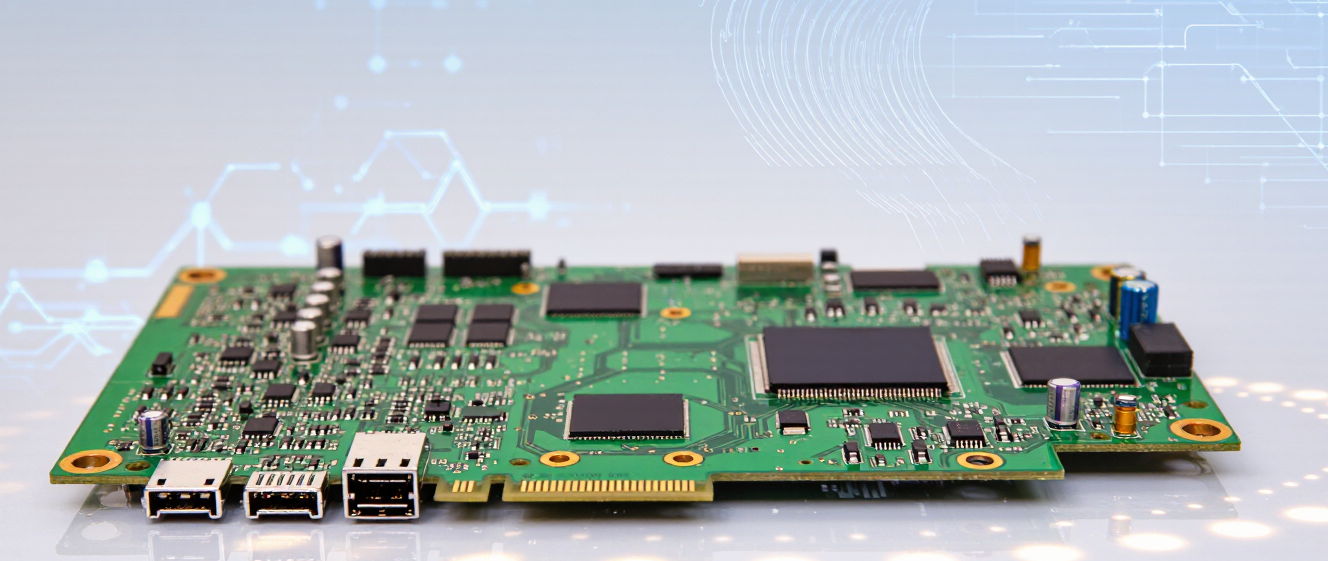
ESG and the Sustainable Transformation of the PCB Industry
ESG (Environmental, Social, Governance) drives sustainable transformation in the PCB industry by promoting green manufacturing, ethical supply chains, employee safety, and transparent governance. With investors and global brands increasingly emphasizing ESG performance, PCB companies that adopt sustainable practices can innovate, build trust, and secure long-term growth in a low-carbon economy.
In today’s global economic landscape, ESG—short for Environmental, Social, and Governance—has become a critical framework guiding sustainable business transformation. It represents not only a company’s commitment to environmental protection, social responsibility, and governance transparency but also a key metric used by investors and markets to evaluate corporate value and long-term growth potential.
1. What is ESG
According to the BDC (Business Development Bank of Canada), ESG is an integrated set of principles that helps companies balance profitability with social and environmental impact.
-
Environmental (E) focuses on how enterprises reduce pollution, manage resources, lower carbon emissions, improve energy efficiency, and support biodiversity.
-
Social (S) concerns how companies treat employees, ensure workplace safety, engage with communities, respect human rights, and maintain ethical supply chains.
-
Governance (G) emphasizes internal management structures—board composition, risk management, compliance, transparency, and anti-corruption mechanisms—to ensure ethical and effective decision-making.
The BDC article stresses that ESG is not merely a moral or reputational effort—it is a strategic and financial necessity. Companies that effectively implement ESG tend to lower operational risks, attract sustainable capital, and gain competitive advantages in global markets. Conversely, those ignoring ESG face increasing challenges from regulation, financing, and customer expectations.
2. The Connection Between ESG and the PCB Industry
The printed circuit board (PCB) industry, as the core foundation of all electronic devices, sits at the intersection of manufacturing, materials science, and technology innovation. However, PCB production also involves intensive resource consumption, energy use, and waste generation, making it a key focus of ESG implementation.
From the insights shared by EXPLUS, a leading PCB manufacturer, ESG principles are driving deep structural transformation across the PCB sector. The link between ESG and PCB can be summarized across three dimensions:
(1) Environmental — Green Manufacturing and Circular Economy
PCB manufacturing involves multiple high-energy and high-emission processes such as etching, electroplating, and surface finishing. ESG-driven transformation requires companies to:
-
Adopt cleaner production technologies, such as water-based plating and low-carbon etching.
-
Introduce energy-efficient equipment and optimize factory layouts to reduce power consumption.
-
Build wastewater recycling systems and solid waste management mechanisms.
-
Develop recyclable materials and promote circular economy models within the supply chain.
Leading PCB companies are also investing in renewable energy, reducing carbon footprints, and publishing carbon neutrality roadmaps. These actions not only comply with environmental regulations but also reduce long-term production costs and enhance brand reputation.
(2) Social — Building a Responsible and Inclusive Supply Chain
The PCB industry relies heavily on global supply chains, involving raw material suppliers, equipment vendors, and downstream electronics manufacturers. ESG implementation emphasizes:
-
Strengthening occupational safety and employee training to ensure health and fairness.
-
Promoting diversity, equality, and inclusion in the workplace.
-
Enforcing ethical procurement practices—prohibiting conflict minerals, child labor, and unsafe working conditions.
-
Supporting local communities through education, public welfare, and job creation initiatives.
For PCB enterprises, fulfilling social responsibility enhances resilience, fosters talent retention, and strengthens cooperation across the electronics value chain.
(3) Governance — Transparency and Long-Term Competitiveness
Effective governance is the backbone of ESG strategy. For PCB manufacturers, this includes:
-
Establishing ESG committees to oversee sustainability performance.
-
Setting quantifiable KPIs on energy use, emissions, and employee welfare.
-
Publishing annual ESG or sustainability reports.
-
Ensuring financial and operational transparency to build investor trust.
Good governance not only reduces compliance risks but also elevates the company’s credibility in capital markets, enabling access to sustainable financing and global clients with strict ESG requirements.
3. Global Trends and Strategic Implications
Globally, leading electronics brands—such as Apple, Intel, and Tesla—now require their suppliers to meet stringent ESG standards. This trend forces PCB manufacturers to accelerate green innovation, adopt digital monitoring tools, and establish traceable ESG reporting systems.
In regions like Europe and North America, carbon disclosure and supply chain due diligence regulations are becoming mandatory. PCB companies that proactively embrace ESG will be better positioned to enter high-end markets and form long-term partnerships with international clients.
Meanwhile, investors are increasingly considering ESG performance as a decisive factor in valuation. Sustainable practices are no longer optional—they directly affect access to capital, cost of financing, and corporate reputation.
4. Toward a Sustainable Future for the PCB Industry
ESG implementation in the PCB industry represents more than compliance—it signifies a holistic transformation toward green competitiveness. By aligning environmental protection, social value creation, and transparent governance, PCB enterprises can transition from cost-driven manufacturing to innovation-driven, sustainable development.
The future of the PCB industry will be defined by companies that:
-
Lead in green process technology and carbon reduction;
-
Build trustworthy and ethical supply networks;
-
Operate with transparent, responsible governance systems.
Ultimately, ESG is reshaping the entire PCB ecosystem, turning sustainability from a moral choice into a business advantage. Through this transformation, PCB manufacturers will not only support the global shift to a low-carbon economy but also secure long-term resilience and growth in an increasingly sustainability-driven world.