What’s Actually Inside an EV Charger? (Hint: It’s Not Just Wires)
What’s Actually Inside an EV Charger? (Hint: It’s Not Just Wires)
Okay, real talk for a second. You buy an electric vehicle now. Everything feels high-tech until you start charging it.
Most of us assume the wall connector or the home unit—essentially the ev supply equipment—is just a fancy cable box. We think it’s simple physics. Plug it in, energy flows. Easy, right?
Wrong.
The Brain Power Hidden Away
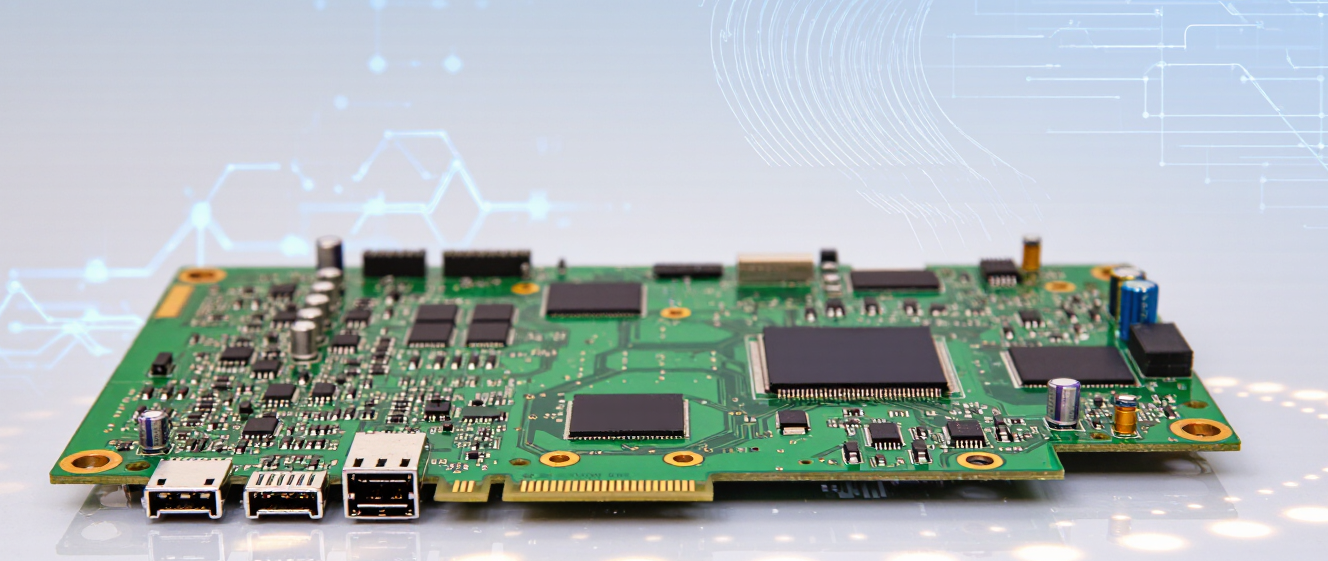
Open up the casing, and honestly, you’d feel pretty lost. It’s not just copper wire running through plastic. There’s actual computing power hiding in there. These modern evse units communicate constantly with the battery pack and the utility company.
Think about it. If the car battery gets too hot, something needs to stop the flow immediately. Or if the voltage dips, the charger has to adjust dynamically. All of that logic requires serious silicon.
Safety monitoring systems
Communication protocols
Security encryption keys
I remember reading up on this once, digging into the specs. A lot of big names are involved in manufacturing the chips that handle this. You’ll often see companies like nxp semiconductors mentioned in relation to the microcontrollers that manage these critical functions.
It sounds dry, but without those tiny chips, we wouldn’t have smart charging capabilities. No V2G (Vehicle to Grid), no dynamic pricing, nothing. It turns your charger into a node on the grid network.
Why Should You Care?
So, why am I rambling about chips inside a garage wall box?
Because understanding this helps you troubleshoot. Sometimes people complain their charge is slow or keeps stopping. Usually, it’s a firmware handshake issue, not a dead outlet. Knowing there’s a brain in the machine changes how you approach problems.
Plus, knowing the value of the electronics inside makes you appreciate the investment better. It’s not just an accessory anymore; it’s infrastructure technology.
Anyway, next time you’re plugging in, give that box a little nod. It’s doing way more work than you realized.
You Know There's More Than Cables In There, Right?
Ever stared at your charging cable wondering what magic makes that little LED light turn green? You're not alone. When I first plugged in my friend's electric vehicle years ago, I thought it was basically just wires doing wire things. Spoiler alert: nope.
Modern ev supply equipment is actually pretty sophisticated tech wrapped in plastic housing. Let me walk you through what I've learned since then.
Meet the Power Management Brain
Here's where it gets interesting. The real magic happens with chips and controllers. Companies like nxp semiconductors make those tiny processors that talk between your car and the charger. Without them? Well, chaos ensues.
They handle communication protocols, safety checks, and power regulation all at once. It's like having a bouncer at a club who also does accounting work. Weird combo, but necessary.
Safety Features That Actually Matter
When something involves high voltage going into your battery pack, you want safeguards. EVSE units have built-in circuit breakers, ground fault detection, and temperature monitoring. Trust me on this—you want that extra layer of protection.
At first, I wasn't sure why they cost so much. Then I thought about the alternative. Nope, definitely worth paying the premium for reliability.
Hardware vs Software Balance
It's not just physical stuff either. Firmware updates can change charging speeds, add new features, even improve safety over time. Some models get smarter the more you use them. Kinda cool, right?
| Component | Primary Function |
|---|---|
| Power Electronics Module | Converts AC to DC power |
| Communication Controller | Manages data exchange |
| Safety Circuit Board | Monitors faults & alerts |
| Connector Assembly | Physical interface point |
Real-World Performance Matters
All these components work together to ensure your EV charges efficiently without melting anything down. It's engineering complexity serving simple needs. Honestly, that's what good design should do.
Next time you plug in, remember: there's actual tech brains working behind that reassuring green light. Not just random electricity getting where it wants to go.
Okay, So You're Plugging In Your Car...
Ever stopped to think about what's happening when you plug in your electric vehicle? I mean, besides "electricity goes in, car gets charged"? Because honestly, when I first got my EV, I just treated the charger like one of those magical black boxes.
But then something clicked—and I started wondering what's actually going on inside those ev supply equipment units. Turns out, there's some serious tech happening behind the scenes.
It's More Than Just a Big Plug
Here's the thing—when you look at an EVSE (Electric Vehicle Supply Equipment), it doesn't look like much on the outside. Just cables, maybe a connector, maybe a screen if you're fancy. But crack open the casing?
Whoa. There's actual brains in there. Actual circuits. Actual components that make sure your $50,000 battery doesn't... well, catch fire.
The Heart of the Operation: Power Electronics
This is where things get real interesting for anyone who knows their tech. Modern chargers aren't dumb power bricks—they're smart devices communicating with your car and the grid.
And this is where companies like NXP Semiconductors come into play. If you've done any homework on EV charging infrastructure, you might have noticed their name floating around. They make chips specifically designed for automotive applications—including the kind found in nxp semiconductors powered EV chargers.
Not every charger uses NXP, don't get me wrong—but they've become pretty standard in mid-to-high end equipment because, y'know, reliability matters when you're dealing with kilowatts flowing through wires.
Safety First (Seriously)
I know safety sounds boring, but hear me out. The electronics inside an EV charger are constantly monitoring everything: voltage, current, temperature, ground faults—all while you might be grabbing coffee or scrolling on your phone.
A few common pitfalls people overlook include:
-
Using damaged cables without proper insulation checks
-
Overloading circuits not designed for 240V continuous draw
-
Ignoring manufacturer specifications for electrical load
These aren't edge cases. People make these mistakes every day. And when stuff fails at this level, it can get expensive—sometimes dangerous.
So What Should You Actually Care About?
Look, you probably don't need to become an electrical engineer. But knowing that your evse isn't a magic box helps:
-
Choose quality brands over bargain-bin imports
-
Have certified installers handle connections
-
Don't skip regular inspections once installed
Wrapping Up Without Being Boring
At the end of the day, your EV charger is doing heavy lifting—literally and figuratively. Those internal components work together to make sure you wake up with a full battery instead of a blown fuse.
Next time you're plugging in, maybe give your charger a little nod of appreciation. It's doing work that would keep most electronics engineers up at night!
So You're Curious About What's Inside Your EV Charger?
I'll be honest—at first, I wasn't sure either. When you plug your electric car in, you think wires carry power, right? Well, turns out, it's way more complicated than that. And honestly? That's both good news and kind of scary when something goes wrong.
Why It Matters More Than You Think
Before we dive in, let me ask you something: Have you ever stopped to think about what makes those fancy EV supply equipment units actually work? It's not like a regular outlet where electricity just flows whenever you want. The whole system needs brains behind it—or in our case, tiny little chips doing all the heavy lifting.
The Heartbeat: Semiconductors Take Center Stage
Here's where things get interesting. If you crack open one of these boxes (please don't do this yourself, by the way), you'd find semiconductors working overtime. Specifically, brands like NXP semiconductors show up everywhere because they handle communication between your car and the charger. Without them? Nothing connects properly.
Control power flow safely
Monitor voltage and current
Handle safety protocols automatically
Enable smart grid communication
EV Supply Equipment Isn't Magic (It's Engineering)
When people say "it's just wires," they're kinda missing the point. Every component has a job. There's protection circuitry so you don't cook your battery. Cooling systems keep everything from melting down. And honestly, some of these things have built-in intelligence that adjusts charging speed based on demand. It's pretty wild when you think about it.
Real Talk: What This Means for You
Look, I'm not trying to sell you anything here. But understanding what's underneath the hood helps you make better decisions. Whether you're buying home charging hardware or wondering why public charging stations can sometimes be slow, knowing there's actual tech involved helps you trust the process more. Also, when maintenance comes up, you know who to call—and why it costs what it does.
Bottom Line Without Corporate Fluff
OK, here's the deal straight-up: EV chargers contain sophisticated electronics beyond simple conductors. Companies like NXP semiconductors provide essential chips that manage safety, efficiency, and communication. If you treat evse like anything less than precision equipment, well... yeah, stuff breaks. Respect the tech, maintain it properly, and it'll serve you faithfully for years. Case closed.
Got questions? Drop them below—I try my best to answer every single one. And if you found this helpful, feel free to share it with someone else who might benefit from seeing past the marketing buzzwords.