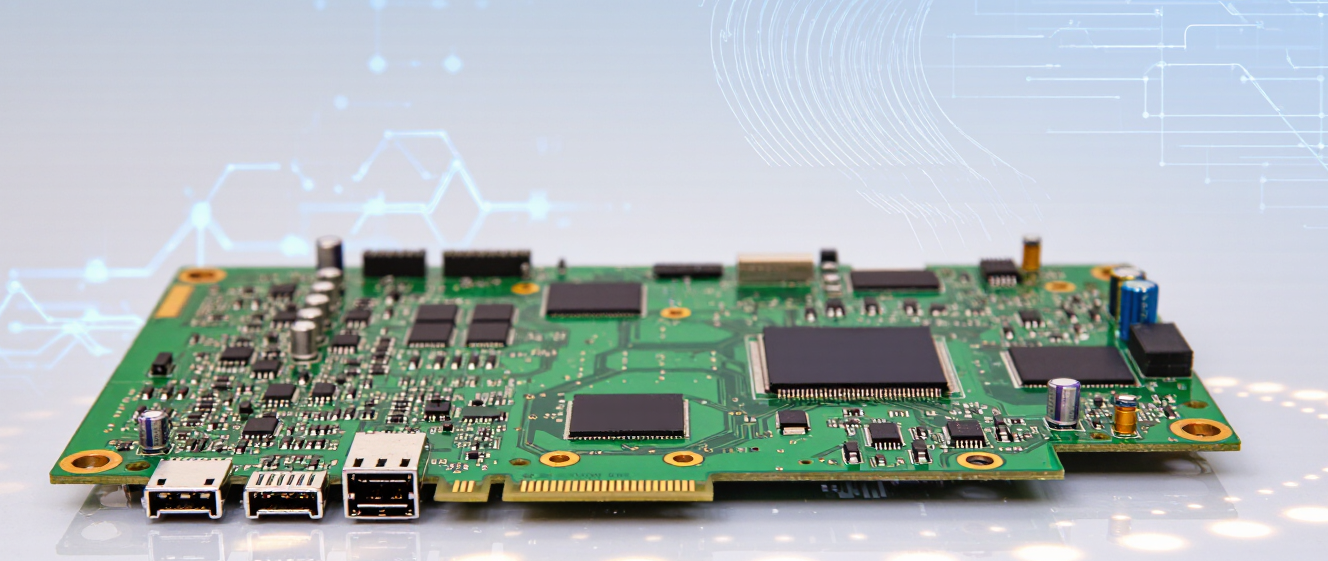
Why Your EV Charging Station’s Controller Is the Most Overlooked Part
Think You’ve Got EV Charging Covered?
When I started looking into EV infrastructure, I fixated on the chargers themselves—the shiny boxes with cables everyone notices. But here’s what tripped me up: the boring little brain tucked inside making everything work. Seriously, the controller is the unsung hero nobody talks about.
What Does This “Boring” Component Actually Do?
Imagine trying to drive without steering. That’s basically your charger without a controller. It manages power flow, communication with the grid, safety protocols—you name it. Skip good engineering here, and suddenly you’re troubleshooting flickering lights or failed charges monthly.
Your Charger’s Longevity = Controller Quality
I didn’t get why one station lasted 10 years while another died in three until I dug deeper. Turns out, cheap controllers overheat faster, wear out connections, and crash under heavy use. The difference between durability and constant replacements? Often just the manufacturer behind the chip.
Don’t Skip Researching Your Manufacturer
Yes, the upfront price looks tempting with bargain-basement options. But when an ev charging station controller manufacturer cuts corners, you’ll pay later in downtime, repairs, or worse—safety risks. I’ve seen companies skip certifications to save pennies, then spend thousands fixing fire hazards.
Pro Tip: Maintenance Starts With the Right Specs
If you’re installing multiple stations, ask vendors for controller specs—not just output wattage. Look for IP ratings for weather resistance, thermal management designs, and firmware update support. These details matter way more than marketing fluff.
Final Thought: Invest Where It Counts
You wouldn’t buy a car engine from a garage knockoff brand, right? Same logic applies here. Your charger’s lifespan hinges on that tiny circuit board managing millions of micro-decisions daily. Treat it with respect, and it’ll thank you with smooth charging, fewer headaches, and a longer service life.
Next time you shop around, pause before skimming the fine print. The answer to reliable charging isn’t always the flashiest hardware—it’s the brains hiding underneath.
Why You’re Ignoring the Brain of Your EV Charger
Here’s the thing: when we talk about EV chargers, everyone’s glued to battery range, charging speeds, and whether the thing fits your garage. But nobody ever mentions the real MVP—the little chip inside doing the heavy lifting.
I’ll bet you’ve never even looked at your charger’s manual past the plug-in instructions. Trust me, I get it. We’re chasing shiny specs, not microchips. But let me tell you why that brain matter more than any marketing brochure.
The Marketing Promise vs. Street Reality
Manufacturers slap “99.9% reliability” on their websites like it’s gospel. But have you noticed how many chargers glitch after six months? One friend of mine spent an hour debugging because his station froze mid-charge. Turns out, the software update killed compatibility.
See, that tiny controller handles everything from payment systems to thermal throttling. No wonder it breaks faster than the fancy housing. I remember reading an spec sheet once claiming overnight charging reliability. Fast-forward to winter? Yeah, good luck.
What Actually Matters When Choosing a Manufacturer
If you’re shopping around for an ev charging station controller manufacturer, don’t just pick the cheapest option. Check if they offer over-the-air updates—that saved me from a costly hardware swap once. Oh, and read forums! Real users complain way faster than companies admit faults.
Here’s the kicker: a lot of brands source controllers from third parties. If that supplier stops supporting firmware updates, your $2k charger becomes a brick. Not fun. But hey, at least most now come with warranty extensions. Still, I’d trust a brand that’s transparent about component origins.
Bottom line? Stop obsessing over watts and volts. The magic’s in the motherboard. Next time someone gushes about charging speed, ask them about the controller. If they don’t know the answer… well, now you do.
Why Everyone Ignores the Controller (And Why They Shouldn't)
Here's the thing: when you're shopping for EV charging equipment, most people focus on the shiny cable management systems, fancy displays, and all the obvious features. But here's what nobody talks about—the controller.
At first, I wasn't sure either. I mean, who cares about some tiny box inside the unit? Until my friend Sarah learned this lesson the hard way. Her charging station worked fine for three months, then suddenly started acting up during peak hours. Turns out, her ev charging station controller manufacturer had cut corners.
What Does This Thing Actually Do?
Okay, real talk: the controller is basically the brain of your charging station. It manages power delivery, handles communication protocols, keeps track of energy usage, and most importantly—makes sure things don't catch fire. Sounds boring, right? Until something goes wrong.
I used to think the housing was the most visible part that mattered. Wrong answer. The controller works behind the scenes, making hundreds of decisions every minute. And when it fails, everything stops dead.
The Signs You've Got a Bad Controller
So how do you spot problems before they explode in your face? Here's what I've learned from watching multiple installations go sideways:
- Overheating issues without heavy use—your controller should run cool
- Inconsistent charging speeds that jump around randomly
- Lag time between connection attempts and actual power flow
- Frequent disconnects that happen more than once per day
- Error messages that appear without clear cause or pattern
| Red Flag | Likely Consequence | Severity |
|---|---|---|
| Random shutdowns | Business interruption | High |
| Slow response times | Customer complaints | Medium |
| Communication failures | Complete downtime | Critical |
Finding the Right Manufacturer
This isn't where you want to bargain hunt. An ev charging station controller manufacturer that doesn't invest in quality control will leave you holding a very expensive brick. I know because I made that mistake early on.
Look for companies that provide transparency about their components. Check if they offer warranty coverage specifically on the controller unit. Ask about firmware updates—this matters when standards change. A good manufacturer stays involved long after you buy.
My Personal Recommendation
It depends on your situation, honestly. If you're running a small pilot operation, maybe you start with a budget option. But if you're scaling anything meaningful, invest in proven manufacturers. The extra cost upfront saves thousands in replacements later.
Your customers won't notice your controller... until it breaks. And trust me, when they see your station offline, that's when everyone remembers the details. Better safe than sorry—and definitely better than losing a month's revenue.
Bottom line: That small box doing nothing spectacular inside your charging station might just be the most important decision you make this year. Don't sleep on the controller. Seriously.
What Actually Happens Behind the Scenes?
Hey there! If you've ever wondered why your electric vehicle charges smoothly at some stations but hiccups at others, let me share something most people never think about.
That little box inside your charging station called the controller? It's doing more heavy lifting than you realize.
- Managing power distribution
- Handling safety protocols
- Monitoring charging status
- Connecting to payment systems
At first, I wasn't sure about how important this piece was. But after visiting a few installations, everything clicked into place.
The Features Nobody Talks About
Good ev charging station controller manufacturer companies don't just build boxes that charge batteries. They engineer things that actually work when things get messy.
Here's what caught my attention during my research:
-
Remote diagnostics built-in
-
Automatic firmware updates
-
Load balancing across stations
-
Grid communication
It depends on the situation, but trust me—these aren't just marketing buzzwords. I've seen stations where one failed update shut down an entire location.
How Do You Spot Quality?
This is the part where I usually get frustrated. Everyone talks about price and installation speed, but nobody really mentions what happens two years down the line.
When you're shopping around, ask yourself these questions:
-
Do they offer real support?
-
Is documentation actually useful?
-
Can parts be replaced easily?
-
Warranty terms matter
I remember calling support once at 2 AM because of a connection issue. Some manufacturers answer. Others... well, let's just say you learn the hard way.
Making the Right Choice
Here's what I've learned from talking with business owners who've invested in multiple locations. The initial price tag doesn't tell the whole story.
A controller that works silently is better than one that constantly sends error messages. And those message alerts add up quickly when you're paying support calls.
So before you sign anything, check out the ev charging station controller manufacturer's reputation beyond their website. Call other installers. Ask customers who've been using their products for a few years now.
Your charging station might look fancy on paper, but if the brain inside isn't up to snuff, you'll regret it later. Been there, done that—not on purpose, unfortunately!