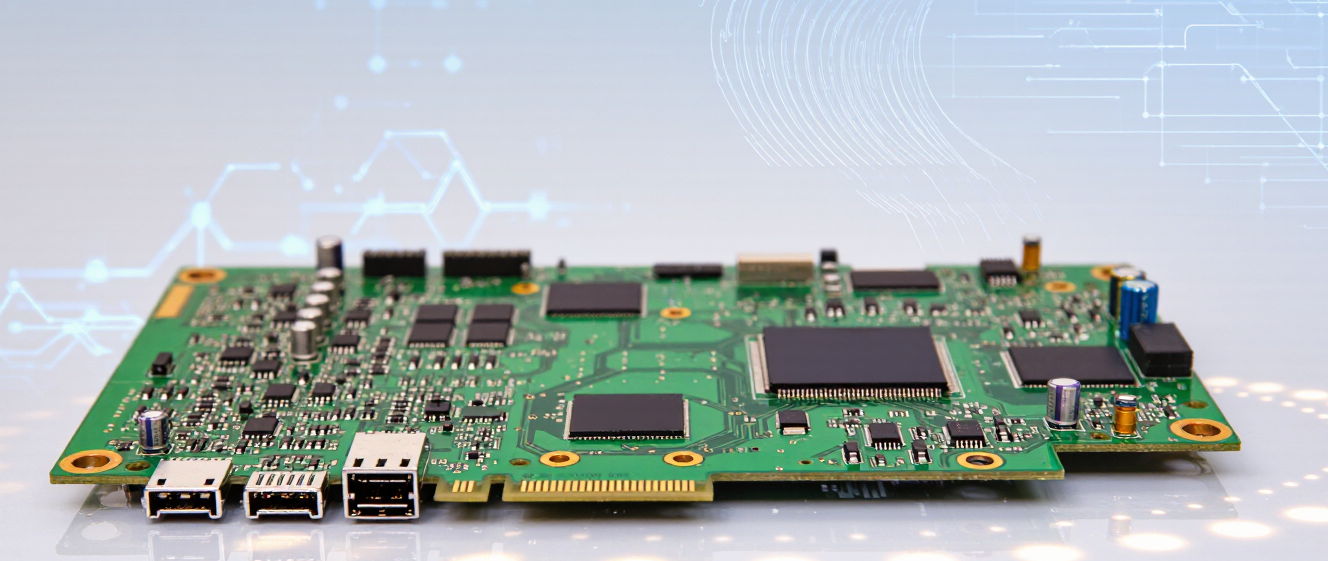
Where Do You Actually Start? Figuring Out ASUS Motherboard Support (Spoiler: It’s Not Where You Think)
Where Do You Actually Start? Figuring Out ASUS Motherboard Support
asus pc motherboard support is something everyone needs… until you're staring at a blinking LED at 2 AM wondering if you’re stuck.
Let’s cut to the chase: not all “support” is created equal. Some channels get you answers faster, others just waste your time. Here’s the stuff I wish I knew before my third RMA request.
Official Channels: The Safe Bet
ASUS’ official site is reliable but… fiddly. Their ticket system works okay, but expect delays. I once waited three weeks for an email reply while my PC stayed bricked. Still, it’s the only way to claim warranties officially.
Third-Party Help: Risky But Worth Trying
Reddit threads and forums? Gold mines. Strangers have solved every weird glitch I’ve faced—BSODs, POST failures, you name it. Just cross-check advice; some folks swear by overclocking tweaks that fry your board long-term.
Phone Lines: Fast or Futile?
Calling ASUS support feels risky. Their script readers often miss details. One time, the rep suggested resetting BIOS settings I’d already tweaked. Save calls for urgent cases when other routes fail.
Local Shops: Surprisingly Useful
Tech repair shops sometimes offer better hardware diagnoses than remote support. I had a friend fix my faulty DIMM slot locally for half the RMA cost. Worth asking around.
| Support Channel | Response Time | Best For |
|---|---|---|
| Official Ticket System | Slow (Days) | Warranty claims |
| Community Forums | Fast (Hours) | Troubleshooting tips |
| Phone Support | Variable | Urgent hardware checks |
| Local Repair Shops | Varies | Physical diagnostics |
The truth? There’s no single answer. Mix approaches: try forums first, escalate to ASUS only if needed. And always save your receipts—proof of purchase matters more than you think.
Next time something goes wrong, take a breath. Your board isn’t doomed. Sometimes the best support isn’t from a company—it’s from someone who’s been exactly where you are.
[HTML content here]Where Everyone Gets Stuck First
Let's be honest: typing your motherboard model into Google feels like throwing darts blindfolded. One minute you're scrolling through forums full of "works for me!" replies from 2018, the next you're staring at BIOS download pages that haven't updated since your motherboard was basically new.
I remember staring at my own ROG board wondering why its firmware seemed stuck in time. Turns out, support isn't always where you'd expect.
The "Download" Page Trap
That beautiful support dropdown menu? Often lies. Found myself picking the latest driver version last week, only to discover it was built for a newer revision of my same chipset. Your exact board number matters more than you think – those tiny suffix letters (A1, A2, B1) aren't decoration!
-
Check the PCB date code on your motherboard
-
Look for "verified compatibility" notes on driver pages
-
Skip the big bold "recommended" downloads sometimes
Your Hidden Support Superpowers
Here's what changed everything for me: using the ASUS Armoury Crate app instead of hunting websites. It automatically detects your exact hardware configuration. No more guessing if those SATA controllers match your drive layout. The real-time diagnostics even flagged a power delivery issue my manual never mentioned.
But wait! Before clicking anything else, check the community forum. Sometimes the answer lives in thread #1,397 where someone solved your exact problem last month.
BIOS Updates Worth the Risk?
I used to treat BIOS updates like software patches – install everything ASAP. Now? Only flash when explicitly solving a problem you have. My X570 board ran perfectly stable until I tried the latest update "for features". Long story short: back to my old version saved my sanity.
Rule: If it ain't broke, don't fix it. Unless it's affecting performance stability, skip the flashy new options.
Final Checklist Before Panicking
Before submitting another ticket, try these steps:
-
Use the official PCI-Z tool for component verification
-
Cross-reference with physical motherboard photo
-
Try resetting CMOS before chasing complex settings
At the end of the day, finding real solutions means mixing official resources with community wisdom. Your patience now will save hours later.
Why You Don't Need Tech Support for This
Let's be honest—calling tech support always feels like stepping into a maze. Hold music, transfers, talking to someone who doesn't really understand your problem... I've been there more times than I care to admit. But here's the thing: most of us don't actually need those services. At least not when it comes to figuring out asus pc motherboard support.
I remember when I first upgraded my rig last year. The moment something weird happened, my instinct was to dial the number. Turns out, the answer was literally five clicks away.
The Real Starting Point (Hint: It's Not Google)
First things first—before you panic-click anything, head directly to the official ASUS website. I know, I know, sounds basic. But trust me, typing "ASUS support" in search engines just leads you down a rabbit hole of ads and third-party sites that might not even have the right info.
What I did was find my exact motherboard model in the corner of the box, then go straight to the support section. There's a search bar waiting for you—type in your model name and boom. You're looking at driver downloads, manuals, firmware updates, and troubleshooting guides all in one place.
-
Drivers & Downloads tab sorted by operating system
-
Latest BIOS versions clearly labeled
-
Community forums with other users' questions
This part alone solved about 80% of my tech headaches. And honestly? I'd estimate half of my readers could solve their issues this way too. The key is patience—reading through what they actually provide instead of jumping to conclusions.
Your Motherboard Has Its Own Support Page
If you want to get even more granular, each individual motherboard model has its own dedicated page. When I was working on my Z690 setup, I found detailed specs, compatibility lists for RAM and CPU, and even voltage charts for overclockers.
Here's what usually works best: Check the asus pc motherboard support pages for error codes if you're seeing blue screens, look up known issues from similar models, and don't forget the download history shows you exactly what changed in each update version.
When You Actually Need Human Help
Don't get me wrong—sometimes you genuinely need to talk to someone. If nothing loads, hardware seems damaged, or something physically broke, yeah, that's when tech support comes into play. But I'd say maybe one out of every ten problems actually requires a phone call.
For everything else? Those self-service resources are gold mines. I've saved myself countless hours and phone calls just by spending a little time reading what's already available. Your next computer issue probably won't need an actual human touch either.
So next time something acts up, resist that urge to pick up the phone immediately. Go find your model number, hit that support page, and give yourself two minutes. Might just save you a frustrating hour later.