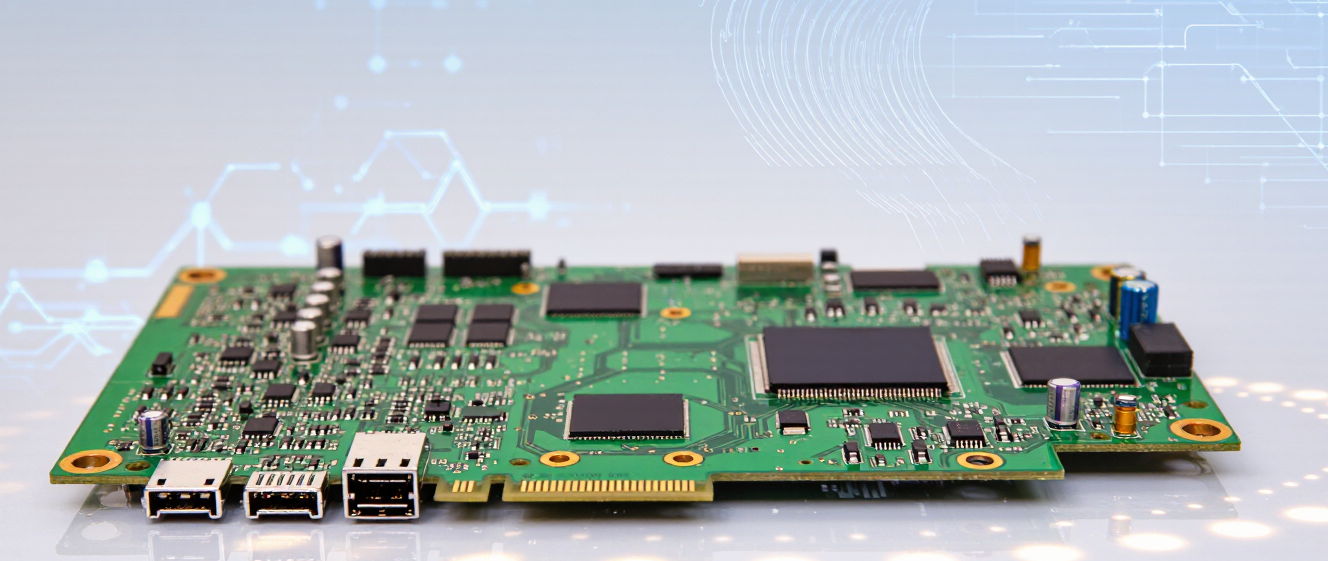
Why Your First Motherboard Pick Might Be Wrong
Let's Talk About That First Motherboard Impulse Buy
Ever stared at your motherboard choices online, heart racing with excitement, and suddenly realize… wait, does this even fit my CPU? Yeah, me too. I learned this the hard way after accidentally hunting for LGA1700 chips only to find they're all going to be socket AM5 by next year. Oof.
Before You Click "Buy Now": Three Things You Might Miss
Here's where most people (including my past self) mess up:
- Cooler compatibility: Your $500 GPU will overheat if the motherboard can't handle the airflow design. Check VRM heatsinks!
- RAM speed limits: That 64GB DDR5 kit you love? It won't hit advertised speeds unless the board supports XMP.
- Future-proofing gaps: PCIe 5.0 slots look pretty until you realize your graphics card doesn't support them yet.
| Feature | Check If |
|---|---|
| CPU Socket Type | Matches YOUR processor brand |
| M.2 Slots Count | Has enough for your SSDs |
| WiFi Version | Supports latest standards |
Where I'd Actually Look Before Buying
Amazon reviews aren't enough. Check Reddit threads about thermal throttling, YouTube teardown videos showing BIOS menus, and manufacturer forums where engineers admit mistakes. Last week I saw three posts about boards crashing during winter temps because of poor voltage regulation. Wouldn't want to be that guy.
Pro tip: Search "[board model] + motherboard best buy" instead of just browsing sales pages. Sometimes third-party sites offer better warranty support than major retailers, but you'll miss their return policy details. Always read the fine print about RMA timeframes!
Final Thought: Trust Yourself More Than Ads
That flashy RGB strip looks cool on demo photos, but do you actually need 10 USB-C ports? Probably not. Focus on what *you* need today, not hype tomorrow. I've had more successful builds from picking boring mid-range boards than chasing specs nobody uses.
Now go enjoy that perfectly fitting motherboard without second-guessing yourself later. And hey – if you're still stuck, throw your questions in the comments. We've all been there.
Why Your First Motherboard Pick Might Be Wrong
When you’re diving into building your PC, it’s easy to get caught up in the latest buzzwords. But here’s the truth—your first motherboard choice isn’t always the right fit, especially if you’re focused solely on specs that scream “high-end” but don’t match your actual needs. Trust me, I’ve seen too many builders overlook this when hunting for the motherboard best buy. Let’s break down why jumping on the first flashy option can cost you more than just money.
Are You Buying Features You’ll Never Use?
Maybe you’re eyeing a motherboard with RGB zones for every corner, 16GB RAM slots, or Wi-Fi 7 support. Cool, sure—but unless you’re streaming 4K video while gaming on multiple streams and editing footage simultaneously, most of that power sits idle. Instead of splurging on a top-tier board, ask yourself: What am I actually doing with this PC? Gaming? Office work? Creative projects? Tailor your specs to your lifestyle, not someone else’s wishlist. A smarter motherboard best buy often means cutting through the noise and focusing on essentials like socket compatibility, VRMs, and expansion slots.
The Budget Trap
It’s tempting to grab the cheapest board that fits your CPU, right? But cheap motherboards often skimp on BIOS updates, audio quality, or SATA ports. Think of it like buying a tent: the $30 option might survive a sunny day, but the $100 one won’t collapse in a storm. Before you click “buy,” read reviews comparing build quality. Sometimes spending a bit more upfront saves headaches later, especially if you plan to upgrade components over time. I once bought a budget board that couldn’t handle my newer GPU without weird glitches. Lesson learned!
Prioritize essential ports (USB-C, M.2, PCIe Gen 4)
Check community reviews for stability issues
Don’t skip VRM cooling for overclocking plans
Ignoring Compatibility Nightmares
Ever tried installing a GPU and realized there’s only one PCIe slot? Or found your RAM sticks incompatible with the chipset? These mistakes happen. Always cross-check your case size, CPU socket, and memory speed before finalizing your purchase. It’s frustrating when parts don’t fit, and returns are a hassle. Take an hour to verify—trust me, it’ll pay off. I once spent hours debugging a boot loop because the BIOS wasn’t updated for my CPU. Not fun!
Future-Proofing Isn’t Everything
People love saying “future-proof your build!” but what does that mean? Unless you’re planning to swap CPUs every two years, buying a high-end chipset for today’s mid-range processor is often overkill. Focus on current needs with room to grow. A balanced approach beats overspending on unused potential. Ask yourself: Will this board last 3–5 years without major upgrades? That’s usually enough.
Conclusion: Smart Choices Save Money
Finding the motherboard best buy isn’t about chasing the latest tech—it’s about aligning your priorities. Do your homework, prioritize compatibility, and resist the urge to upgrade unnecessarily. Your wallet (and your rig) will thank you. Next time you shop, step away from the hype, double-check specs, and build with intention. Happy crafting!