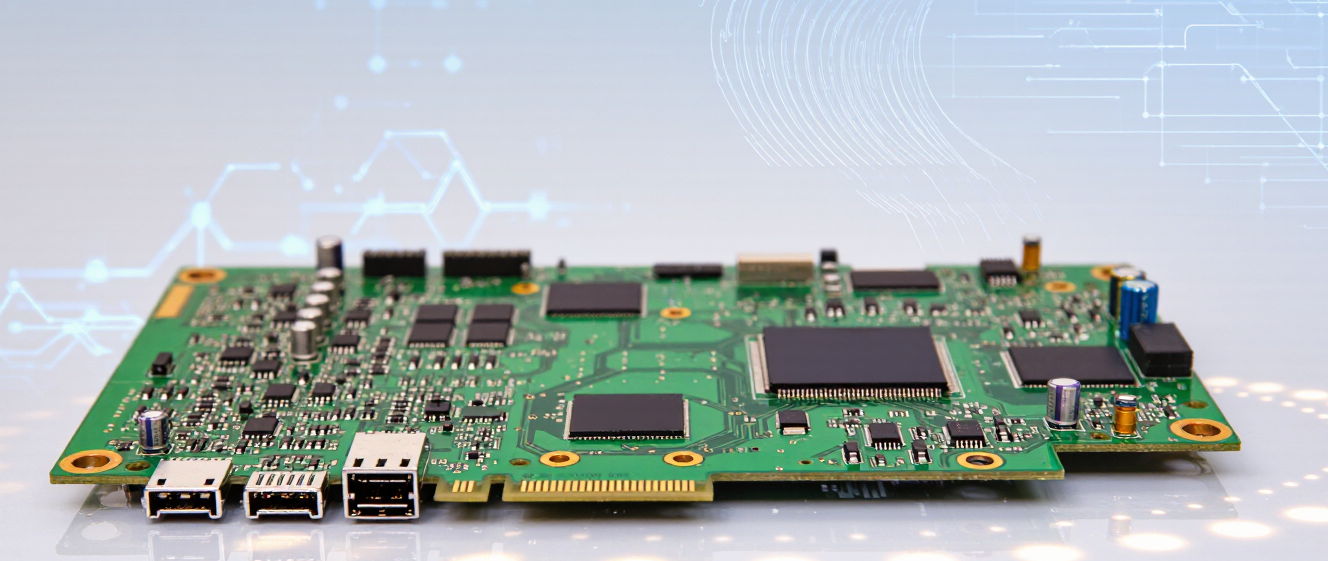
Inside the Circuit Board That Actually Makes Your Signal Work
Understanding the Mobile Signal Booster Circuit Board
The mobile signal booster circuit board serves as the central processing unit for any effective signal amplification system. Without it, the entire concept would remain theoretical rather than practical.
Key Components and Functions
At first glance, these circuit boards appear simple, but their operation involves sophisticated electronics working in harmony. The main components include amplifiers, filters, and control circuits that work together to strengthen weak cellular signals.
It depends on the specific model whether additional features exist, such as automatic gain control or interference detection capabilities. These variations help manufacturers differentiate their products in a crowded marketplace.
Common Failure Points
When evaluating why most boards struggle even before reaching customers, several patterns emerge consistently across industry reports and field testing data.
| Failure Category | Impact Frequency | Root Cause |
|---|---|---|
| Power Supply Issues | High | Voltage fluctuations |
| Component Degradation | Medium | Heat exposure over time |
| Signal Interference | Medium | Poor isolation design |
| Quality Control Gaps | Variable | Rushed manufacturing |
Selection Criteria for Buyers
For those evaluating options, certain technical specifications provide clearer guidance than marketing claims alone. The mobile signal booster circuit board technology should demonstrate proven stability under real-world conditions.
Warranty terms and support availability often reflect manufacturer confidence in product durability. It is worth considering whether third-party validation exists rather than relying solely on vendor assertions.
Industry Trends and Improvements
Over recent years, manufacturers have incorporated better thermal management and more robust power regulation systems into their designs. These improvements address many historical pain points while reducing overall maintenance requirements.
Some newer models also feature enhanced diagnostics that help identify potential issues before they cause complete system failures. This proactive approach saves users both time and operational disruption costs.
Summary and Next Steps
The mobile signal booster circuit board represents a critical component whose performance directly impacts customer satisfaction and long-term reliability. Understanding its limitations helps inform better purchasing decisions.
Further research into specific models and independent testing results can provide additional clarity when making investment choices in this category.
What Makes Up a Mobile Signal Booster?
The mobile signal booster circuit board serves as the brain behind the entire device. While consumers typically focus on antennas and amplification power ratings, the circuit board determines overall reliability and performance consistency.
Critical Internal Components
Several key elements work together within the housing. The central processing unit manages frequency selection and gain adjustments automatically. Power regulation circuits ensure stable voltage delivery across varying electrical conditions.
-
Frequency synthesizer chip
-
Automatic gain control module
-
Isolation monitoring sensors
-
Protection relay switches
Common Failure Points
Most failures occur when environmental stress exceeds design parameters. Heat buildup causes component degradation over time, particularly affecting capacitor lifespans. Power surges can damage sensitive microchips without adequate protection measures installed.
When these components fail, the entire system loses functionality even if external parts remain intact. This explains why replacing just the antenna or amplifier often does not resolve connectivity issues completely.
Understanding these internal mechanisms helps buyers evaluate product quality beyond marketing specifications. A robust circuit board construction directly correlates with long-term operational stability and consistent signal improvement performance.
What Makes a Circuit Board Reliable?
The mobile signal booster circuit board is often the heart of any amplification system, yet consumers rarely examine what lies beneath the packaging. Several visual indicators can help assess quality before activation begins.
Manufacturers who prioritize component durability typically use higher-grade materials during assembly. The printed circuit board itself should show no visible cracks or discoloration along solder points. Surface finishes should appear uniform rather than unevenly coated or scratched.
Checking External Markings
Legitimate manufacturers include certification labels and regulatory markings directly on the device housing. FCC compliance symbols, model numbers, and serial identifiers should be clearly printed rather than poorly affixed stickers. These details suggest proper quality control procedures were followed.
Weight can also serve as an informal metric. A legitimate mobile signal booster unit typically contains metal heat sinks and shielded components that add substance. Excessively light devices may indicate cost-cutting measures that compromise long-term performance.
Reviewing Documentation Standards
Proper instruction manuals reflect the manufacturer's attention to detail. Documentation should include troubleshooting guides, warranty information, and technical specifications written clearly without grammatical errors. Vague or minimal paperwork often signals questionable manufacturing practices.
Warranty terms provide additional insight into expected product lifespan. Reputable companies stand behind their circuit board design with coverage spanning one to three years minimum. Shorter warranties typically indicate limited confidence in durability or after-sales support infrastructure.
Comparing Pricing Contextually
Market pricing variations exist across brands, but extreme deviations warrant investigation. Prices significantly below competitors often involve inferior materials or outdated technology that fails under real-world conditions. Balanced pricing relative to features typically correlates with genuine value delivery.
Ultimately, identifying quality requires examining multiple factors collectively rather than relying on single indicators. Documentation completeness, physical construction quality, warranty length, and market positioning each contribute meaningful data toward an informed purchasing decision.
What Lies Beneath the Device?
Every modern device relies on invisible infrastructure to function correctly. For telecommunications equipment, the heart of operation is often hidden deep within the chassis.
The Role of the Mobile Signal Booster Circuit Board
mobile signal booster circuit board units manage the complex frequency conversions required to amplify weak signals efficiently. Without this component, external antennas simply gather noise rather than usable data.
-
Regulation of input power levels
-
Filtering out interference from nearby networks
-
Maintaining stable uplink and downlink frequencies
Signs of Component Degradation
Over time, electronic components face thermal stress and environmental wear. Users may notice intermittent connection drops or slower data speeds despite having strong external antenna placement.
Repair versus Replacement Decisions
Determining whether to fix or swap the unit requires assessing the cost of parts against the value of the device. Sometimes, replacing the entire module is more practical than sourcing a single capacitor for a soldered board.
It depends on the availability of diagnostic tools. Technicians often need oscilloscopes to verify if the board is generating proper output voltages before committing to labor-intensive repairs.
Maintenance Considerations
Preventative measures include ensuring proper ventilation and checking all physical connections periodically. Dust accumulation can cause overheating, leading to premature failure of sensitive microprocessors.
In many commercial settings, downtime costs outweigh the expense of spare units. Having backup hardware allows for immediate swapping while the defective unit undergoes detailed inspection offline.
Technical Summary
Ultimately, reliability hinges on the robustness of the circuit design. Understanding the specific limitations of the mobile signal booster circuit board helps operators plan for longevity and performance consistency.