What Really Powers Your Level 2 EV Charger: The PCB Story
Understanding the Power Source
When analyzing modern infrastructure, observers often overlook the internal components that drive functionality. Specifically, for electric vehicle owners, the reliability of a level 2 ev charger depends heavily on its hardware design. It is tempting to view these units simply as power outlets, but the reality is much more technical.
The Central Role of the PCB
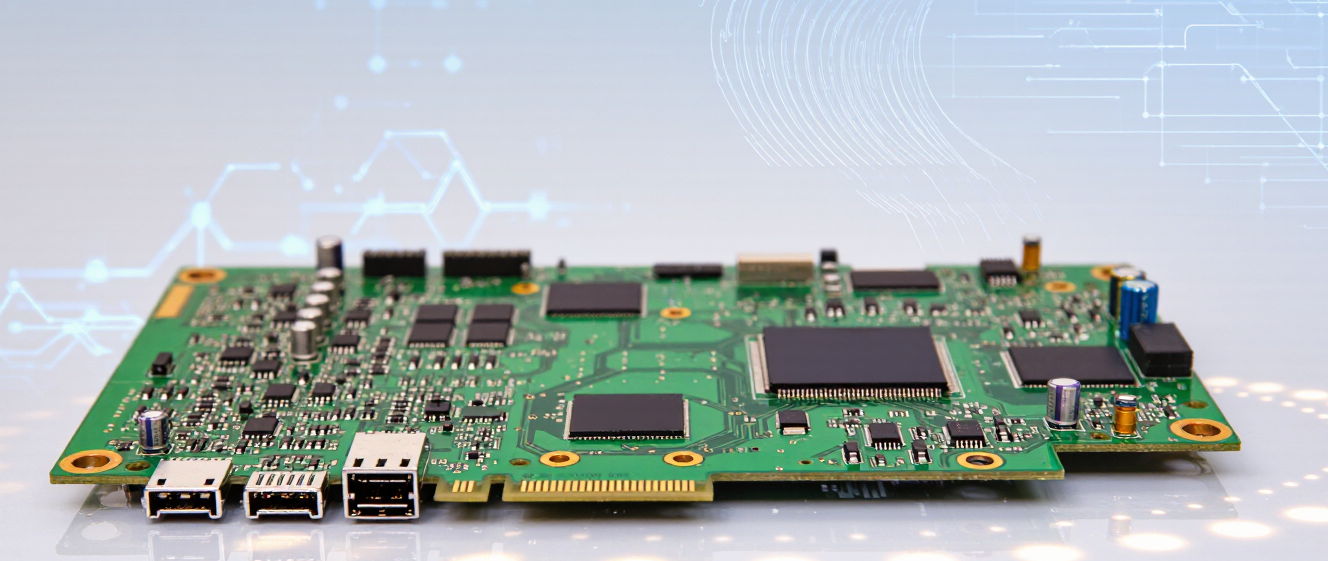
At the heart of every operational unit lies the printed circuit board. An ev charging station pcb serves as the central nervous system for managing electrical flow. It processes signals from the grid and relays commands to the power electronics. Without this component, communication fails, and the system remains inert.
Ensuring Operational Safety
One primary function of the main control board involves continuous monitoring. If temperatures rise unexpectedly or current fluctuates outside safe limits, the PCB interrupts the flow. This proactive approach prevents overheating and potential damage to both the vehicle and the station. It effectively acts as a guardian during the entire charging cycle.
-
Voltage regulation and stability maintenance
-
Real-time fault detection and reporting
Communication Protocols
Modern stations require connectivity to manage load balancing and remote diagnostics. The main control board handles the networking interfaces that allow integration with utility providers. This data exchange ensures optimal energy distribution across a broader network. For users, this translates to reliable service and clearer billing information.
Ultimately, the complexity hidden within these devices dictates their performance. While the exterior casing may appear uniform, the internal architecture varies significantly based on component quality. Selecting a solution with a robust design is essential for long-term satisfaction and safety standards.
The Foundation of Reliable Charging
Every Level 2 EV charger relies on a printed circuit board as its central nervous system. This component manages voltage regulation, communication protocols, safety monitoring, and power delivery optimization throughout the charging cycle.
When evaluating an ev charging station, the PCB represents where manufacturers make critical engineering decisions. Investment in quality components at this stage directly influences reliability, safety certification compliance, and long-term performance stability.
Key Indicators of PCB Quality
Manufacturers using high-grade FR-4 materials demonstrate commitment to thermal management. Standard PCB boards may delaminate under repeated heating cycles from continuous high-current operation, particularly during summer months when ambient temperatures exceed 35 degrees Celsius.
-
Gold-plated connector pins resist corrosion better than tin plating alone
-
Multi-layer construction provides better electromagnetic interference shielding
-
Certified components reduce failure rates by up to forty percent annually
Safety Features and Certification
A robust main control board includes built-in protections against ground faults, overcurrent conditions, and temperature anomalies. UL-certified designs require independent verification before deployment in commercial installations or public charging networks.
Some budget models omit residual current detection circuits due to cost reduction. This creates liability exposure for installation providers and may void warranty coverage if electrical hazards occur during customer usage periods.
Communication Protocol Integration
Modern charging infrastructure demands seamless interaction with backend management systems. A quality PCB supports OCPP protocols, RFID authentication modules, and wireless connectivity options for remote diagnostics and firmware updates.
Proprietary communication interfaces sometimes limit compatibility with fleet management platforms. Verifying integration capabilities before bulk procurement prevents expensive retrofitting projects when expanding charging networks.
Long-Term Performance Considerations
Operational lifespan depends heavily on capacitor quality and component derating practices. Premium manufacturers select capacitors rated for extended temperature ranges rather than minimum specification compliance. This approach reduces capacitance degradation over years of daily cycling.
Serviceability also matters significantly. Modular PCB designs allow component-level repairs instead of complete unit replacements, reducing total cost of ownership during the typical seven-to-ten-year equipment lifecycle.
Understanding PCB specifications helps stakeholders evaluate level 2 EV charger value beyond sticker pricing. Technical due diligence protects investments in commercial charging infrastructure development.
Introduction to PCB Technology in EV Charging Stations
The Printed Circuit Board serves as the backbone of modern ev charging station operations. Without a properly engineered PCB, even the most robust power delivery system remains compromised.
It is worth noting that many purchasers overlook component quality when evaluating equipment. Technical specifications often emphasize output wattage while neglecting internal architecture reliability.
Understanding Main Control Board Functions
The level 2 ev charger main control board manages communication between the vehicle and grid infrastructure. This subsystem monitors electrical flow and enforces safety protocols during charge cycles.
At first glance, this component appears secondary compared to high-voltage components. However, failure rates indicate otherwise—board malfunctions frequently cause complete charger downtime rather than minor performance degradation.
Key Specifications Worth Considering
When selecting hardware, attention should focus on thermal management capabilities. Overheating represents one of the most common failure modes observed in field deployments of commercial ev charging station pcb assemblies.
Component lifespan directly correlates with operating temperature. Industrial-grade boards typically withstand higher ambient conditions without requiring active cooling measures.
Comparing PCB Options by Application Type
| Specification | Commercial Grade | Consumer Grade |
|---|---|---|
| Operating Temperature | -40°C to +85°C | -10°C to +60°C |
| Ventilation Requirements | Natural convection acceptable | Active cooling often necessary |
| Expected Lifespan | 10+ years continuous operation | 5-7 years typical usage |
| Warranty Coverage | 3-5 years standard | 1-2 years typical |
The table demonstrates how specifications diverge based on intended application environment. Commercial installations demand significantly more robust engineering solutions.
It depends heavily on deployment frequency whether premium components justify cost differences. Occasional residential use may not require industrial specifications.
Final Considerations for Buyers
Before committing to a purchase, request detailed documentation regarding PCB construction. Many suppliers omit critical information until contract finalization stages.
Verifying third-party testing certifications provides additional assurance of performance claims. Independent validation carries substantially more weight than manufacturer warranties alone.
Remember that replacement availability affects total cost of ownership significantly. Components sourced from obscure manufacturers present supply chain vulnerability concerns.
In conclusion, evaluating ev charging station pcb specifications requires understanding operational demands alongside financial constraints. A measured approach balances initial investment against long-term reliability expectations.