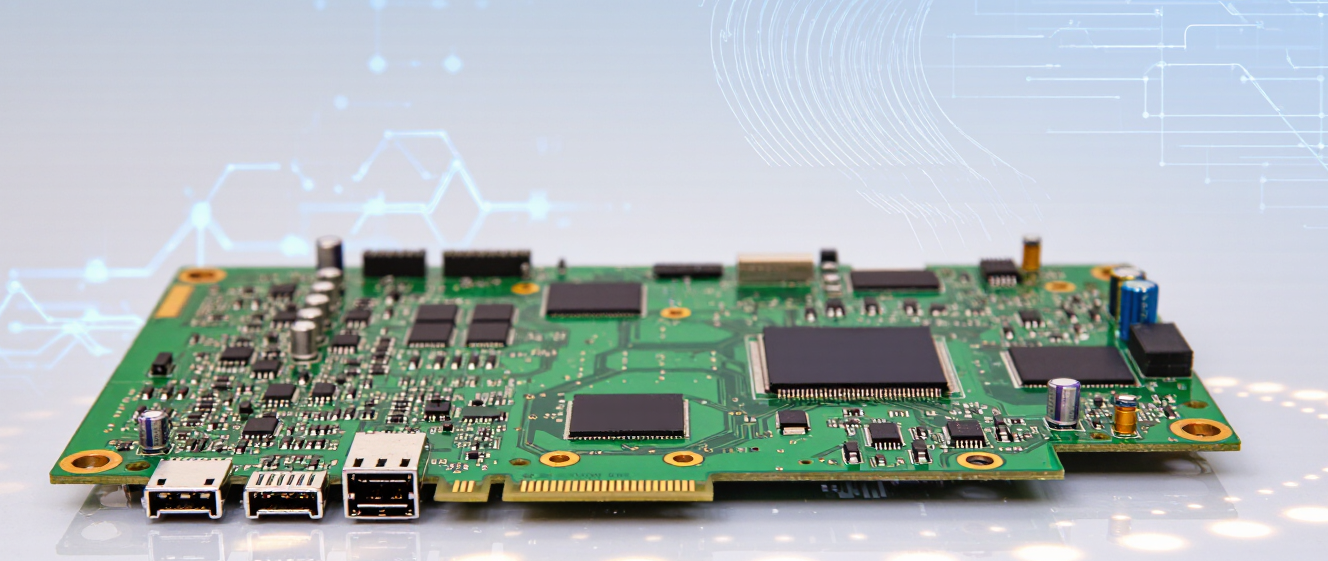
Is It Time to Replace Your AC Control Board? Here’s How to Decide
What’s Wrong With Your AC?
Is your air conditioner acting up? Maybe it won’t turn on, runs constantly, or makes weird sounds. You might be thinking, "Should I call a pro immediately?" But before spending money, let’s check if the control board—the brain of your AC—is actually broken.
Most AC issues come from clogged filters or low refrigerant. But if basics checks fail, the control board could be the culprit. Here’s how to investigate without getting overwhelmed.
Step 1: Check the Thermostat First
Before blaming the control board, ensure the thermostat is working. Try adjusting the temperature—does the display light up? If not, replace its batteries. I once ignored this step and wasted time!
-
Thermostat isn’t responding
-
Blown fuses nearby
Still nothing? Move to Step 2. Often, simple fixes solve 70% of “broken AC” myths.
Step 2: Listen for Strange Sounds
Control boards sometimes hum or click when malfunctioning. Turn off your AC at the breaker, wait 5 minutes, then restart. If it clicks repeatedly or smells like burning plastic, the board might be fried.
Side note: Burnt smells mean danger. Don’t delay—if you smell something odd, shut everything down and call a pro.
Step 3: Scan for Error Codes
Modern AC units flash LED lights to signal errors. Refer to your manual or search "[Your Model] error codes online." Common codes like E1 or F2 often point to control board issues.
When to Skip DIY and Call Pros
| Symptom | DIY Fix or Pro Help? |
|---|---|
| Unresponsive buttons | Try fresh batteries first |
| Burning smell/charred parts | Call immediately |
| Frequent shutdowns | Check airflow, then test board |
If you’re unsure about handling electrical components, skip to professional help. Air conditioner control board replacement needs special tools and safety knowledge.
Final Tips to Save Money
-
Get multiple quotes for repairs
-
Ask about warranty coverage
-
Replace old units instead of boards
Sometimes replacing the whole unit is cheaper long-term. If your AC is over 10 years old, budget for upgrades during your next HVAC inspection.
Is It Time to Replace Your AC Control Board? Here’s How to Decide
So your AC’s acting weird—blowing warm air, making strange noises, or just shutting off mid-cycle. You’re probably wondering if the issue is something small or if you need air conditioner control board replacement. Let’s figure this out together.
Step 1: Spot the Red Flags
First, ask yourself: What’s actually happening? Some symptoms point directly to the control board:
Thermostat unresponsive or erratic behavior
Flickering lights when the AC kicks on
System resets randomly after power surges
Error codes displayed on indoor units
If you’ve seen any of these, pause. Don’t assume it’s just dirty filters or low refrigerant. Sometimes it’s electronics failing.
Step 2: Weigh DIY vs. Pro Help
You might think, “I can fix this myself!” And honestly, swapping a fuse or cleaning vents works for minor stuff. But here’s the catch: control boards involve wiring and voltage. One wrong move, and you’ll risk short circuits. At first, I wasn’t sure either. I once tried diagnosing a board myself and burned out the whole circuit. Lesson learned?
Professional techs have tools to test boards quickly—they won’t charge you upfront for guesses. If symptoms persist after basic checks, that $100 diagnostic fee could save you thousands in repairs.
What Happens If You Skip Those Checks?
Skipping professional inspections feels saving now, but wait until you see the bill. A faulty board might strain your compressor—that’s $5k territory. Energy bills climb too: old boards waste electricity, sometimes by 30% or more. And safety? Electrical faults can cause fires. Not worth the gamble.
Imagine this: Ignoring a glitchy display. Weeks later, water leaks from condensation overflow because sensors failed. Water damage fixes run high, far exceeding replacement costs.
Your Action Plan
Here’s what to do today:
Turn off the AC if unusual sounds occur
Document error codes or behaviors
Call pros before assuming worst-case scenarios
Replacing your air conditioner control board? Often cheaper than full unit replacements. But timing matters—catch issues early, and you’ll keep comfort (and cash) intact.
Final Thought
It’s tempting to delay repairs, but AC failures rarely play fair. Think of it like car brakes: waiting until they screech means paying double. Ready to check yours? Schedule a pro visit—it’s peace of mind with a budget-friendly price tag.
Deciding on Replacement
You stand there staring at your AC unit, wondering if the air conditioner control board replacement is actually necessary. Honestly, I’ve seen folks spend hundreds where a fuse swap would have done. Let’s walk through this together.
First things first, you don’t always need a new board. At first, I wasn’t sure myself. Sometimes the issue lies elsewhere.
Step 1: Check the Basics
Before calling the repair tech, you should run a few diagnostics yourself. It saves you time and potential cash.
Here is what you need to inspect:
-
Check your thermostat settings
-
Look for blown fuses on the board
-
Ensure breakers haven’t tripped recently
If the thermostat sends no signal, the board isn't dead—it just isn't listening yet.
Step 2: Visual Inspection
Sometimes the problem is visible without fancy meters. Look closely at the green circuit board.
Do you see burn marks? Do the capacitors bulge? That changes everything. If components look melted, yes, air conditioner control board replacement is coming up.
-
Clean off the dust layers gently
-
Smell for ozone or burnt plastic
But wait, hold on. If you smell nothing and see nothing broken, maybe don't replace yet. It depends on the situation.
Step 3: Cost vs. Age
Finally, think about the age of your whole system. If the unit is over 15 years old, why invest in a $400 board?
Replacement costs often exceed half the value of an older AC. At that point, buying a new unit might be better. You wouldn't pour good money into a leaky bucket.
So, take a breath. Evaluate your options carefully. Most of the time, you’ll find the solution isn't a brand-new board.
Should You Call a Pro Immediately?
So your AC unit is acting up. Maybe it’s blowing warm air, or the fan just refuses to start. At first, I wasn’t sure if I could handle the diagnostics myself. Most people panic and reach for the phone right away. But honestly, sometimes a quick check saves you a whole service fee.
Before you schedule air conditioner control board replacement, let’s walk through a few things you can verify at home. We want to make sure you aren’t paying for a part swap when a simple fix works.
Step 1: Secure Your Safety
Stop! Don’t touch yet. Electricity and water don’t mix, obviously. Locate your circuit breaker and switch off the power to the outdoor unit. I know, it sounds silly, but skipping this makes everything dangerous. If you’re nervous about finding the breaker, that’s okay—it happens to the best of us.
- Turn off the main breaker panel.
- Verify the power is gone using a multimeter if you have one.
- Never work on live wires inside the electrical cabinet.
It’s better to be safe than sorry. Once the power is down, you can open the access panel to see the guts of the machine.
Step 2: Look for Obvious Burn Marks
Peek inside. The control board lives near the wiring compartment. Do you see smoke damage? Maybe burnt spots on the green circuit board? Or perhaps a blackened area around a connector?
Physical damage is a strong signal for air conditioner control board replacement. If the board looks fried, it likely won’t recover. Also, take a sniff. A distinct burning plastic smell usually points directly to the electronics frying.
- Smell for ozone or burning plastic.
- Look for corrosion on connections.
- Check for loose wires or snapped connectors.
If you find these signs, don’t try to patch it. That’s when you definitely need professional help for a full replacement.
Step 3: Try a System Reset
Here’s the tricky part: Sometimes the board just gets confused. Like my laptop freezing up. It helps to cycle the power completely. After turning off the breaker at the panel, wait five minutes. This drains any residual electricity.
Turn the breaker back on. Wait another minute for the board to boot up. Test the thermostat now. Did the issue resolve? If yes, maybe it was a glitch. If no, keep reading. We still need to check the smaller components nearby.
Step 4: Inspect the Capacitors
There are metal cylinders called capacitors next to the board. They help kickstart the compressor and fan. If a capacitor is blown, it can stress the control board until it fails.
Check if they are bulging on top or leaking fluid. Bulging tops are bad news. If the capacitor is dead, replacing just that might save the control board from dying again. If you spot damage here, mention it to the pro.
- Look for dents or bumps on the metal casing.
- Check for crusty residue around the terminals.
- Listen for unusual humming noises.
Sometimes fixing one small part prevents a big replacement bill. But remember, testing capacitors requires knowledge and tools.
Make the Final Call
Alright, you’ve checked the smells, the visuals, and done a power cycle. So, is it time for air conditioner control board replacement? If the board is physically damaged or the computer chip is fried, yes. If it’s just a tripped breaker or a bad capacitor, no.
It depends on the situation. If you feel unsafe, stop immediately. There’s no shame in admitting it’s too complex. Better to hire an expert than risk injury or a fire hazard. Your peace of mind is worth more than saving a little coin today.
Why Your AC’s Brain Might Need Replacing
You turn on the thermostat, but nothing happens. At first, I thought it was just a power issue, but nope—sometimes it’s the air conditioner control board replacement time. Think of this board as your unit’s brain. If it glitches, everything else goes haywire.
Step 1: Watch for Red Flags
Before panicking, check these symptoms:
-
Air blows inconsistently (cold then warm)
-
System shuts off randomly during use
-
Unusual smells or burnt plastic near vents
One homeowner noticed his fan running nonstop even after cooling stopped. Turns out the control board couldn’t cycle properly.
Step 2: Simple Troubleshooting First
Wait! Don’t jump to replacement yet. Try these checks:
-
Reset the breaker—maybe it tripped!
-
Clean dirty filters causing airflow blocks
-
Check wiring connections for corrosion
When Replacement Is Necessary
If tests fail and errors persist, it’s likely time for air conditioner control board replacement. A DIYer might say, “Why not fix the fuse?” Well, boards handle complex tasks—like temperature monitoring and timing. Blown fuses could signal deeper issues.
Pro Tip: Always Prioritize Safety
Power off your unit before inspecting anything! One friend got fried trying to bypass a faulty board without disconnecting electricity. If you’re unsure, call a technician—they’ll test voltage and diagnostics faster than you think.
Final Check: Cost vs. Peace of Mind
Replacement parts range from $200–$500. Compare that to frequent breakdowns costing more long-term. As I once told my neighbor: “Better to pay now than panic during a heatwave!”