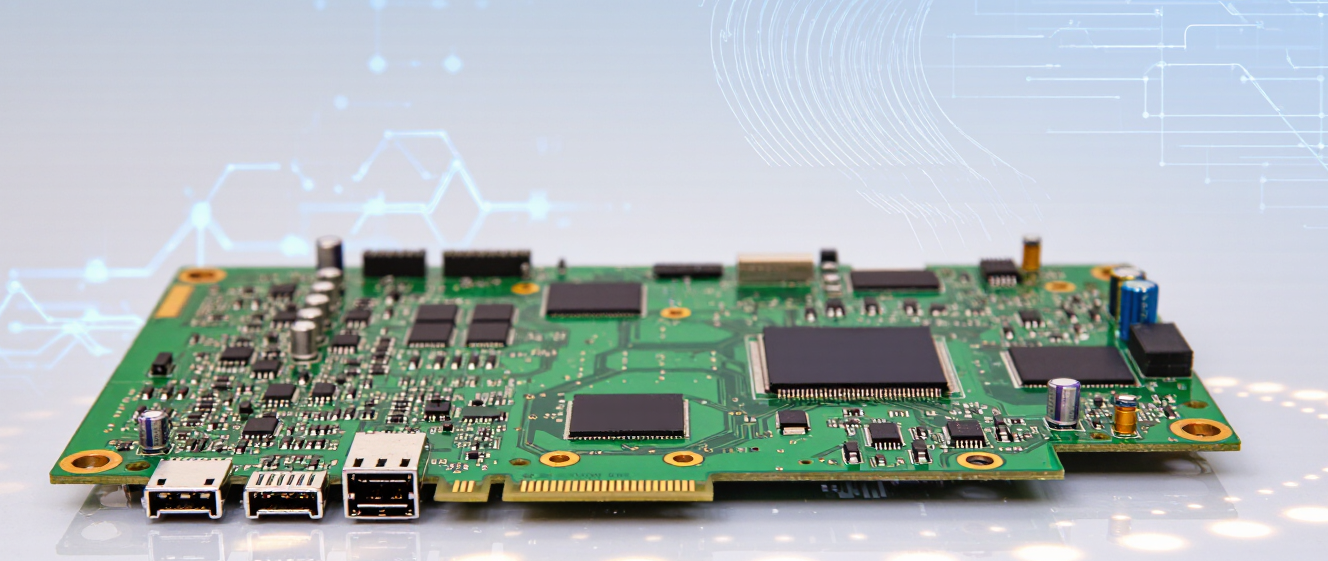
My AC Just Died—What I Learned After Taking Out the Control Board
My AC Just Died—What I Learned After Taking Out the Control Board
You know that sinking feeling when your AC just stops working right in the middle of summer? I had one of those moments last week. One minute I'm sweating through my shirt, the next I'm staring at a completely dead unit.
Turns out, it wasn't the compressor or the fan motor. Nope. The little electronic brain of the whole system—the control board—was done for.
How Do You Even Know It's the Control Board?
At first, I wasn't sure what was wrong either. The unit wouldn't turn on, no lights, nothing. We checked the thermostat, the breaker—it all looked fine. Then our HVAC tech suggested we look at the control board, and honestly? That's where things got interesting.
What Actually Goes Wrong Inside?
Here's the thing nobody really tells you: these little circuit boards are surprisingly delicate. A power surge, some moisture getting inside during humid weather, or even just age can cause them to fail completely. When mine died, there were actually visible burn marks on a couple of the capacitors.
Should You Try Replacing It Yourself?
I almost ordered a replacement and installed it myself. But after watching some videos and thinking about the risks, I realized replacing an air conditioning control board is pretty technical work. One wrong connection could fry everything else.
- You need specific tools to handle electronics safely
- Making a wiring mistake could cost way more than labor fees
- Warranty issues if something goes wrong during DIY
So I called a pro. And yeah, they replaced the board same day. The whole service call was actually less stressful than I expected because I knew exactly what we were fixing.
Prevention Tips For Next Time
Looking back, I could've prevented this a bit better. A surge protector might have saved us from electrical spikes. And regular maintenance checks probably would've caught the early warning signs before total failure.
Bottom line: if your AC acts up suddenly, don't panic. Sometimes it really is just a small component failing—and knowing what to expect makes the repair process way less intimidating.
When Your AC Won't Start: A Personal Story
Hey there! So last summer, my air conditioner just... stopped. One day it was fine, the next day I couldn't get it to turn on no matter what I tried. I'm not going to lie—it was honestly a panic moment because, well, we were sweltering.
I ended up taking apart the unit myself (yes, crazy, I know), and that's when I found the control board. But here's the thing—before you rush out to replace air conditioning control board, let me tell you what I discovered after all that DIY mess.
Sign #1: Nothing Lights Up, No Response at All
At first, I wasn't sure what was wrong. I cleaned everything thoroughly. The filters? Fine. The coils? Spotless. But when I pulled out the control board, there wasn't even a single LED light blinking. That's usually your cue—it's not dirty anymore, it's dead.
Think about it like your phone. If you charge it for hours and nothing happens, you don't keep scrubbing the screen, right? Same principle here.
Sign #2: Random Error Codes or Flickering Display
I've had systems where the display would randomly show different error messages, like it was having a nervous breakdown. You'd reset it, wait, and then—bam—it happens again. These erratic behaviors usually mean the circuits inside are fried, and cleaning isn't going to fix burnt connections.
Sign #3: Burning Smell or Visible Damage
Okay, so this one's a bit more obvious. There was a slight burnt plastic smell coming from my AC unit. When I inspected the board closely, some components looked discolored. If you see scorch marks or melted spots, friend—that's your sign. Don't try to wipe that away; it needs replacing.
Cleaning Isn't Always the Answer
Look, I get it. Everyone wants to avoid unnecessary costs. Cleaning the board sounds easy enough, and it does help with performance sometimes. But once the electronics themselves fail, that's a whole different game. At least for me, throwing $50 on a new board saved me hundreds calling technicians repeatedly.
What To Do Next?
If any of those three signs sound familiar, take a closer look at your control board before trying random fixes. Safety first though—if you're uncomfortable working with electrical components, definitely call in a pro. My point is simply: know when cleaning stops helping and replacement begins.
Anyway, hope my AC disaster helps someone else save time and money! Drop a comment if you've dealt with something similar—let's swap stories!
That Moment When Your AC Dies
You're sweating through your shirt, checking your phone because you've got an important meeting later, and then you realize—your air conditioner just stopped working completely. Yeah, I've been there. Multiple times.
At first, I thought maybe it was just the thermostat acting up. You know how these things can play tricks on you? So I checked that, changed some settings, even reset it twice. Nothing worked. Time to go deeper.
Tools Before You Start—Some Might Surprise You
If you're going to attempt any repair yourself, especially something involving electrical components, you need to gather the right tools. Here's what helped me out:
| Tool | Why It's Needed |
| Multimeter | To check voltage and continuity safely |
| Screwdriver Set | Taking apart panels without stripping screws |
| Flashlight | You'll need both hands eventually |
| Gloves | Protect your hands from sharp edges |
| Caulk Gun | Sealing gaps after replacement if needed |
When You Realize the Control Board Is The Problem
Once I started opening things up, I found burnt marks on the board. Not pretty. And suddenly I knew exactly what I needed to do—replace air conditioning control board. But here's where it gets tricky. You don't just grab any old board off Amazon and pray it works.
Finding The Right Replacement Part
I spent way too long scrolling through parts websites. What I learned quickly? Make sure you match the exact model number. My unit said Carrier, but there were dozens of options that looked similar online. Ended up calling the manufacturer directly—that saved me so much stress later.
Honestly, sometimes the manual will tell you how to identify if it's really the board. Other times? You're guessing, which isn't ideal. But hey, better than paying someone $200 to tell you the same thing.
Safety First (Seriously, Don't Skip This)
I know what you're thinking—you've watched enough YouTube videos, you can do this. Maybe you can. But electrical stuff doesn't forgive mistakes. Always turn off the power at the breaker box. Check it twice before touching anything inside the unit.
Also, remove that new control board from packaging last minute. You don't want static electricity frying your brand-new part before you even install it. Trust me on this one.
Installation Was Easier Than Expected
The actual swap took me about 45 minutes. Most of that time was figuring out which wire goes where. The old board had labels that made sense. The new one didn't match exactly, so I took photos of the old setup—super valuable reference point.
There were moments I felt stuck. Like when a connection seemed loose no matter how hard I tried. Then I remembered reading somewhere that gentle pressure works better than forcing things. Small lesson, big relief.
Did It Actually Work?
Turned on the power, flipped the switch on the wall... and cool air came out within minutes. Yes! I was so excited I actually danced around the living room like it was a victory dance. Probably drew some weird looks from neighbors.
Now I'm not saying everyone should become their own HVAC technician. But if you're curious, handy, and willing to learn? There's satisfaction in fixing something yourself instead of waiting weeks for someone else to show up.
Would I Recommend Doing This Yourself?
For me? Absolutely. But with caution. If you're comfortable with basic tools and have done similar repairs before, giving it a shot makes sense. Otherwise, definitely call a professional.
Either way, knowing you can fix the problem yourself gives you options when the next breakdown happens. And honestly, that peace of mind? Worth its weight in gold.
When Your AC Dies Unexpectedly
There I was, sweating through my shirt while staring at a broken thermostat. My AC unit, usually humming reliably through summer heatwaves, just… stopped. No warning, no gentle fade-out. Nothing. Classic timing, right?
Tearing Down the Unit – A Close Look
I called a friend over—he’s been fixing appliances for years—and we popped off the panel. Inside, I spotted the control board like a nervous surgeon examining a heart monitor. The circuitry looked fried, one component blackened beyond repair.
Cost Breakdown: DIY vs Hiring Pro
Here’s where things got murky. A local HVAC guy quoted me $450–$600 to swap the board. Parts alone? Around $150 online. But wait—labor adds up quick. If I did it myself, I’d save cash but risk messing up wiring. One wrong connection = blown fuse. Not ideal on a hot night.
My Takeaway After the Swap
Turns out, I managed to replace air conditioning control board components without frying anything else! Took three hours and a YouTube tutorial titled “How Not to Shock Yourself.” Lesson learned: always unplug power first!
-
✔ Saves ~$400 if you’re handy
✖ Stressful midnight repairs
Final Verdict: Do It Yourself… Mostly
If you’ve ever tinkered with electronics, swapping a board isn’t rocket science. But if your idea of “fixing” involves duct tape and hope? Hire a pro. Sometimes paying someone else to handle it means less stress… and fewer emergency calls to your buddy at 2 AM.
Still stuck on whether to tackle AC control board replacement solo? Ask yourself: Can you Google diagrams without panicking? Yeah, probably fine. Nah? Grab a technician and a beer. Both end up winning.
I Never Thought I'd See the Day
It was 95 degrees outside, and my AC had just given up the ghost. Yeah, the one thing I relied on most was acting up. Honestly, I panicked. First, I checked the thermostat. Then I reset the breaker. Nothing worked. That’s when I opened the unit and peeked at the control board—the brain of your AC. Turns out, it looked fried, and I was staring at a $500 fix that I wasn’t sure I could handle alone.
Why Wasn’t This Obvious Earlier?
Here’s the thing: I’d heard about control boards before but always thought, “Meh, it’ll never happen to me.” Until it did. When everything else checks out—power, filters, even the thermostat—and your AC still refuses to kick on, there’s a decent chance the control board is the culprit. It’s one of those invisible parts until it bites.
- Frequent short cycling (turning on/off too often)
- Unusual buzzing or clicking sounds
- AC runs but doesn’t cool properly
These were my red flags. I ignored them because, well, fixing electronics felt way outside my wheelhouse. And honestly? I wished I’d known to take action sooner. By waiting too long, I risked damage to other components. Not exactly money-saving.
Replace Air Conditioning Control Board or Call Pro?
So now I’m sitting there with a circuit board in my hands, wondering: Should I swap it out myself or call a technician? For some people, swapping a part is a breeze. Others (like me) are terrified of making things worse. Here’s what I considered:
DIY Pros: You save on labor costs. If you’re handy, you’ve got schematics, videos, and forums ready to help.
DIY Cons: Wrong move, and you could fry more stuff—or worse, get hurt. AC units aren’t toys; electricity + water = danger zone.
Hiring a Pro: Quickest path to peace of mind. Techs bring tools, expertise, and warranties. But yeah, labor costs add up.
I ended up Googling “how to replace air conditioning control board” late at night and watched three hour-long videos. One guy said, “If you can solder a toy robot, you can do this.” Another cried while replacing his board. Tough call. I decided to call a pro. Why? I wanted to live through the heatwave.
The Real Lesson
If you’re reading this because your AC just died, don’t stress. But do pay attention. Small issues snowball. If you suspect the control board, weigh the options carefully. A replacement part won’t fix your home, but ignoring it might kill the whole unit faster. And hey, sometimes calling the technician early saves you time, cash, and sanity.
Maybe next year I’ll tackle that control board swap myself. Until then, I’ll stick to grilling burgers instead of fiddling with circuits.