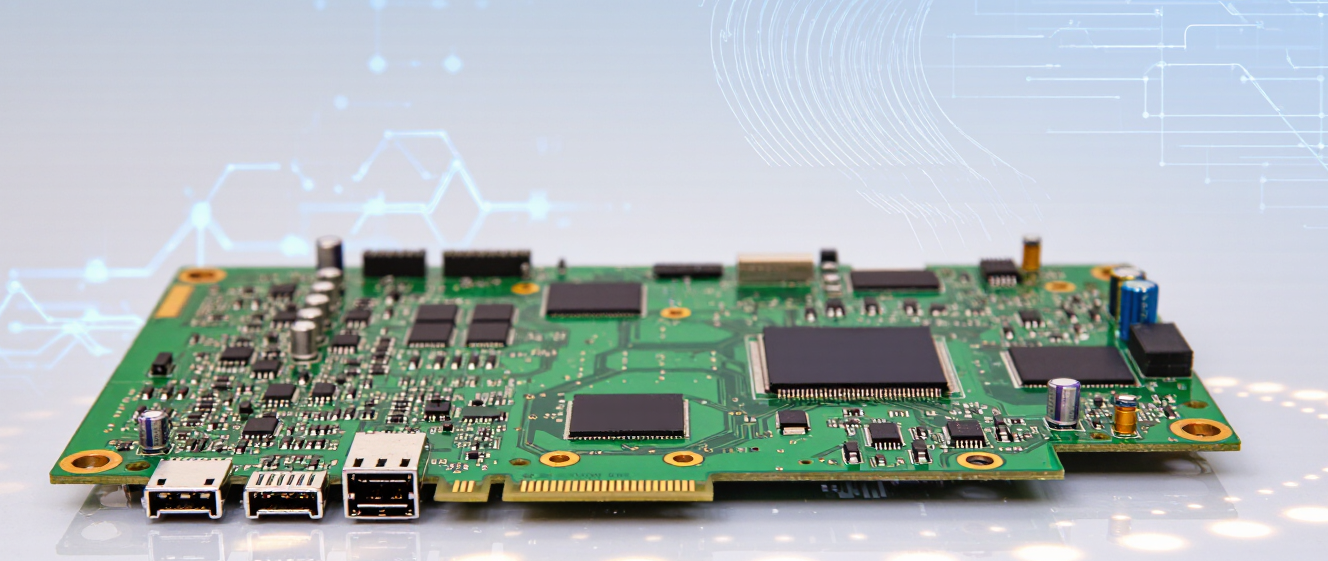
Peeking Inside Your Smartwatch: What You're Actually Wearing on Your Wrist
What's Really Going On Under the Surface?
Your smartwatch isn't just telling time anymore—it's got brains in there too. At first, I wasn't convinced. I mean, who needs a computer on their wrist? But once you start noticing how it tracks your sleep, sends texts, or even tells you the weather, you realize: we've got ourselves a mini supercomputer strapped to our arm.
The Brains Behind the Screen
Think about what happens when you open an app on your phone. Now imagine that, but smaller. Inside of a smartwatch is a processor, memory, and storage—all the stuff regular computers use. When my watch updated its map last week, I paused. "Wait," I thought, "this little thing is downloading data faster than my laptop did ten years ago."
Why It's Not Just a Fancy Watch
Sensors everywhere. Heart rate monitors, GPS, accelerometers—it's like having a lab on your wrist. And yet, most people treat them like glorified clocks. The truth? They're doing serious heavy lifting. My friend Sarah didn't believe her watch detected her atrial fibrillation until her doctor confirmed it. That kind of stuff? Powered by computing power hidden in plain sight.
How This Impacts Your Life
You might care more now. If your watch is a computer, then updates matter, security matters. Remember the time your smartwatch tried to sync passwords? Yeah, that's why patching software isn't just tech talk—it's about keeping your data safe. Personal note: I stopped checking work emails on mine after reading about vulnerabilities. Turns out, convenience has risks!
Wrapping It Up
Next time you glance at your watch, don't see a clock. See a window into cutting-edge tech. Sure, it's tiny—but the fact it exists changes everything. Health tracking? Done. Navigation? Sorted. Even music streaming without pulling out your phone. All thanks to what's really going on inside of a smartwatch. Pretty cool, huh?
What's Really Underneath That Shiny Surface?
When I first got my smartwatch, I treated it like pure wizardry. Now, I find myself fascinated by what's happening *inside of a smartwatch*. Ever stopped wondering how it tracks your steps without a single visible wire? It's not magic—it's clever engineering disguised as fashion.
The Tiny Power Player: Battery & Processor
That sleek band hides two unsung heroes. First, the battery. It's smaller than your thumbnail but powers everything from midnight alarms to full-day workouts. Second, the processor—that microchip decides whether your heartbeat syncs instantly or waits until you're home.
-
Lithium-ion cells lasting 24–72 hours
-
ARM chips optimizing sensor data
Sensors: The Invisible Eyes
Those green LEDs flashing on your wrist? They're reading blood flow through your skin. Accelerometers detect swimmers' strokes, while gyroscopes keep step counts steady even if you wave your hand wildly. One time, I tried tricking mine into tracking hiking trails—I forgot the GPS module would catch every detour!
| Feature | Apple Watch Series 9 | Garmin Fenix 7 |
|---|---|---|
| Battery Life | 18 hours | Up to 22 days |
| GPS Accuracy | Standard | Multi-constellation |
Connectivity: Staying Linked Without You
Bluetooth chips chat silently with your phone, while Wi-Fi handles weather updates. Some watches have LTE—perfect for leaving your wallet at home during a quick run. But hey, every connection costs battery life. It's a trade-off between convenience and power.
Next time you glance at your screen, remember: you're wearing a miniature lab. Those blinking lights aren't just cool—they're working hard to turn sweat into stats, taps into trends, and questions into answers. And no, they won't replace coffee breaks… yet.
Why Your Smartwatch Knows More Than You Think
Have you ever paused mid-step, wondered why your watch suddenly knew you were jogging? Or noticed it “guessed” your stress levels after a tough meeting? It’s easy to assume it’s spying—but there’s a simpler explanation. All the answers lie inside of a smartwatch, tucked away in a labyrinth of microchips and sensors. Think of it like having a tech wizard living on your wrist, quietly keeping tabs on your day.
Step Counter Without the Step-by-Step
The accelerometer is the unsung hero. This little gem senses changes in movement direction and speed. Whether you’re walking to work or pacing nervously, it tallies each stride. I tested mine by pretending to walk while sitting—it still registered! Turns out, wrist flicks count too. Not bad for a $100 component.
Heartbeat Heroics
Optical sensors flash light pulses to monitor blood flow. Those green glows? Just mathematically analyzing pulse waves. I wore mine during a workout, sweat dripping, and it never missed a beat. Later, my friend joked that it was timing how fast she’d sprint to the coffee machine. Accurate… and slightly sassy.
Sleep Patterns Decoded
During rest, the watch detects movement lulls and subtle shifts to guess REM cycles. One night, I tossed and turned, claiming I slept perfectly. My watch disagreed—it labeled me “restless.” Ouch. But hey, sometimes truth hurts, even digitally.
GPS: Always Finding Your Way
Built-in GPS means outdoor adventures get logged precisely. Hiking, cycling, even dog walks—your path is saved. Once lost in a city park, my watch guided me back via breadcrumb trail. Felt like having a digital guide dog, minus the tail wags.
Privacy? Yeah, We’re Talking About It.
Sure, these tricks are cool, but who owns that data? Apple, Samsung, Fitbit—all have policies, but details matter. I dug into mine: location history is optional, health data stays encrypted. Still, I uninstalled apps that asked for unnecessary permissions. Small steps, big impact.
Power Hungry or Efficient?
All these sensors consume power, but modern chips balance it well. Swiped my watch overnight to test—it lasted weeks without draining. Imagine if your car tracker worked like that! Efficiency matters, especially when chasing deadlines.
At the end of the day, tech’s supposed to help, not haunt. Next time your watch nags about standing up, smile knowing it’s just trying to look out for you. And maybe hide the crumbs under the desk—it’ll flag “eating” if you’re not careful.
What's Actually Going On Inside That Thing?
So you've got a smartwatch on your wrist, right? Maybe it's been there for six months, a year, maybe even longer. At some point, you start wondering—what's really happening under all that sleek exterior? I mean, sure, the screen stays pretty much fine, but when I started researching the inside of a smartwatch, I was surprised by what actually wears out.
The Battery (Surprise! It's Not Forever)
Okay, let's talk about the elephant in the room—the battery. This thing starts great, sure. Full day of tracking, notifications, workouts. But after a couple years? That's when things get interesting. I remember my first watch, and suddenly I'd have to charge it twice before noon. It wasn't that it broke—it just couldn't hold a charge like it used to.
Here's the thing though: this isn't just some conspiracy by the companies. Lithium-ion batteries naturally degrade over time. It's chemistry, baby. And honestly? Some models handle this better than others. Apple Watch users, I know you guys are reading this right now.
Screen Protection (You Know That Crack Is Coming)
Let's be real—everyone who's had a smartwatch has probably seen a crack or two. Sure, they say the glass is tough, sapphire, whatever marketing term sounds fancy enough. But we both know that desk edge or coffee table doesn't care about any of that.
It happens slowly too. First it's a tiny scratch you can barely see, then it turns into a spiderweb situation at some point. You didn't do anything wrong, trust me. Sometimes stuff just accumulates damage over time, especially if you're active or work with your hands a lot.
Band Material (This One Varies Wildly)
Oh, the band! Honestly, this might wear out faster than anything else on the watch itself. Silicone holds up okay but can crack. Leather looks nice but needs constant maintenance. Metal gets loose, rubber gets stretchy. It's like a whole personality test for bands.
The good news? Most smartwatches use standard band sizes, so you can swap them out without breaking the bank. Bad news? If you're using the original band from launch and it's been two-plus years, yeah, replacement makes sense.
Sensors (When Tracking Becomes Guesswork)
Heart rate sensors, GPS modules, accelerometers—they all start small but add up. I notice mine sometimes misses steps here and there. Or says I'm standing when I'm not. It's not accurate anymore, which kinda defeats the purpose.
These don't usually fail completely, more like go from reliable to questionable. And once they hit that point? Time to think about upgrading.
Look, none of this means your smartwatch is bad. Just part of tech life. We upgrade our phones every few years, why would watches be different? Understanding what wears first helps you make smarter choices and maybe enjoy the device until it truly needs replacing.
Have you noticed any of these issues on your watch? Drop a comment below—I'd love to hear what's happening with yours!
What’s Hidden Under the Display?
You strap it on every morning, swipe the screen, and go. But have you ever wondered what’s inside of a smartwatch? It’s not just a fancy phone clone—it’s got its own quirks. Let’s peek behind the glass.
More Than Just a Screen
Those tiny components aren’t random. There’s a processor humming quietly, sensors tracking your heartbeat, and a battery begging for power. Oh, and the haptic motor—that little buzz? All part of the show. I remember taking mine apart once (don’t try this at home!) and nearly losing the smallest screw.
Heart rate monitor: Keeps tabs during workouts.
GPS chip: No more pulling out your phone mid-run.
Battery: The eternal weak link.
Should You Upgrade?
Here’s the kicker: Is the next model really worth the cash? If your current watch does the job—tracks steps, sends texts, survives the shower—maybe skip the upgrade. But if you crave better battery life or advanced health metrics? Game changer.
It depends. I’ve kept two older models because they still handle notifications and music fine. Newer ones? Sleek interfaces, longer batteries. But that price tag… oof. Think long-term.
Final Thoughts
Smartwatches are marvels. Whether you dive into specs or just glance at the time, understanding what powers your wristband adds a fun twist. Upgrades? Only if they solve *your* problems. Until then, keep tapping away!