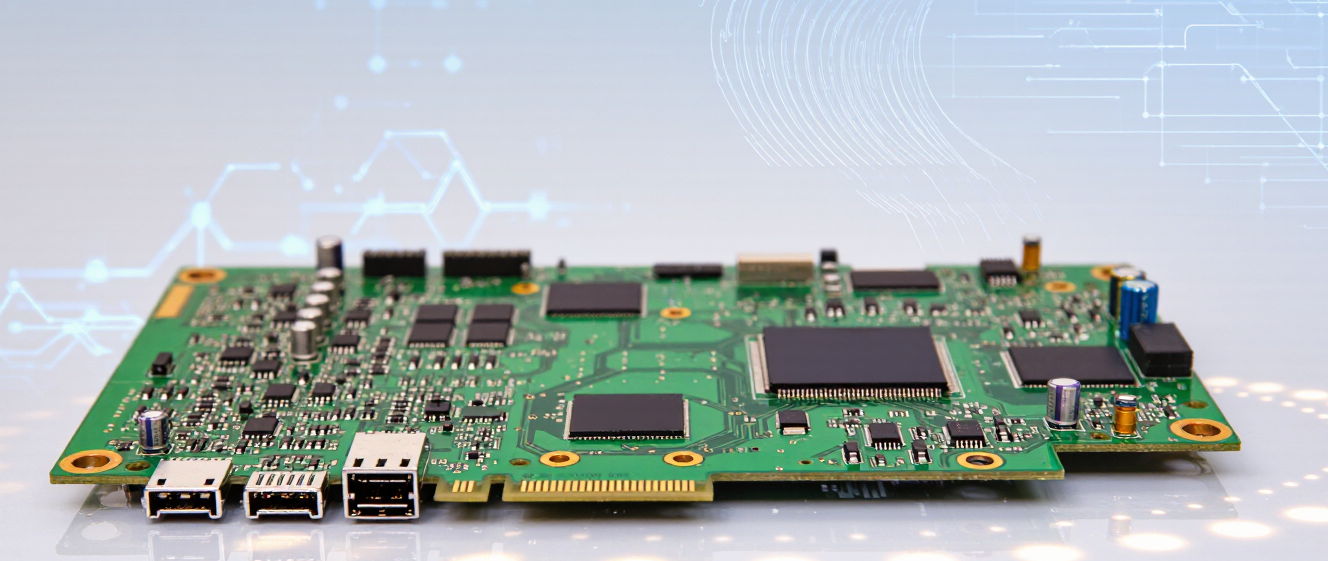
What Happens When Your Phone's Circuit Board Dies? (Spoiler: It's Not Always Repairable)
Ever experienced your phone acting strangely after a spill or a hard drop? I’ve been through this—it’s terrifying to stare at a black screen.
Turns out, the culprit’s rarely the battery. Often, it’s the smartphone pcb giving up. Yeah, that tiny green chipboard inside is doing heavy lifting—and when it fries, drama follows.
Here’s what most people miss: Hardware ≠ Software. We blame apps or updates when phones glitch, but sometimes physical damage’s lurking beneath the surface. A cracked casing won’t always mean screen issues alone.
The PCB’s Silent Failure
Think of your phone’s circuit board as its nervous system. Tiny copper traces carry signals between chips, sensors, and memory. When liquids seep in, oxidation eats away connections. Heat from chargers warps soldered joints. No visible cracks? Doesn’t matter—the damage’s microscopic.
Why Repair Shops Hesitate
“Your phone needs a motherboard replacement,” techs often say. But honestly? Sometimes, it’s cheaper to buy new. Old models’ PCBs cost nearly the device itself. And if it’s damaged beyond individual component repair… poof, gone.
DIY = Double Trouble
I tried fixing my friend’s phone once. Thought I could swap batteries, ended up disconnecting the smartphone pcb ribbon cables. Now both screens stayed dead. Moral? Unless you’ve got microscopes and experience, leave internals alone. Professional help is safer—even if pricier.
Preventative Habits That Help
-
Drop-resistant cases save lives. Literally. Those airbags on corners aren’t decoration.
-
Keep devices dry! Yes, even “waterproof” ones lose seals over time. Wipe them down after rain.
-
Back up data religiously. If hardware dies mid-week, your photos/videos won’t vanish forever.
Bottom line: Don’t panic at the first sign of trouble. Most modern smartphones are engineered for durability, but smartphone pcb vulnerabilities exist. If repairs seem unreasonable, upgrade wisely. Tech moves fast—old models aren’t worth saving every time.
Agree? Disagree? Share your worst gadget horror stories in the comments. I read every one… probably after drinking coffee. ☕
The Slow Death We Don't Notice
So your phone just... stopped working. You charged it overnight. You held the buttons. Nothing. But here's the thing nobody really talks about—most of the time, what actually died isn't the battery or even the screen. It's something smaller. Something we can barely see without a microscope.
First, Let's Talk About That Tiny Thing Inside
Your smartphone pcb is basically the nervous system of your device. It's all those green circuits underneath every component you don't look at unless you're into teardown videos. I mean, when was the last time you actually examined your circuit board?
Three years ago, yours looked brand new. Now? Well, let me tell you what time does to these tiny things.
Microscopic Killers Nobody Sees Coming
Here's where it gets weird. Some of the worst damage happens before you even notice anything's wrong. Like invisible corrosion eating away at solder joints. I once saw a board where tiny cracks had formed between components after just two years. From the outside? Perfect condition.
The Heat Problem Nobody Talks About
Your phone heats up when you game, right? When you stream? That's not just discomfort—it's literally breaking down materials over time. Those microscopic copper traces expand and contract hundreds of times a day. Eventually, metal fatigue wins.
At first, I wasn't sure how this happened. Then I watched someone open a four-year-old phone and there were actual gaps forming where conductive pathways used to connect perfectly.
Moisture Sneaks In Where You Won't Expect
Even regular humidity matters more than you think. There's condensation inside phones sometimes. You breathe near them. They sit next to coffee cups. Water vapor finds those tiniest gaps and starts oxidation work on your smartphone pcb.
-
Green stuff appearing under components
-
Resistance creeping up slowly
-
Random reboots that happen "for no reason"
It's frustrating because by the time symptoms show, repair is often impossible.
Can We Actually Fix It?
Here's the hard truth: Most repairs cost nearly as much as a new phone. And honestly? Sometimes it's just not worth it. I've seen technicians say boards are "dead" when they could technically be fixed—if only the equipment and skill existed locally.
But if you want your device to live longer? Keep it cool. Avoid moisture when possible. And maybe consider that warranty period more seriously than you do.
Anyway, next time your phone acts funny, remember—you might not have done anything wrong. Sometimes physics just wins eventually.
So Your Phone Suddenly Died?
Your phone just gave up mid-text or you find black spots where water touched it. Either way, panic sets in and you're wondering if anything can save it. Spoiler alert: not always.
The Truth About Water Damage
At first, I wasn't sure about all the "rice hack" myths either. But here's what actually happens - water doesn't just evaporate. It seeps into places rice never could reach, and by the time you notice brown spots on the screen, most of the damage was already done.
Why Smartphone PCB Gets Messy
Think of the motherboard like a tiny city of electrical pathways. When moisture hits, it starts corroding connections almost immediately. Corrosion equals dead pixels, battery issues, random restarts - you name it. And the worst part? Those microscopic paths keep degrading even after you turn off the phone.
Repair Options That Actually Exist
Okay, so not everything's hopeless. If caught early enough, some technicians can clean corrosion from the smartphone pcb. But we're talking hours of careful work, special chemicals, and luck. And honestly? Sometimes it works. Sometimes it doesn't.
-
Early detection matters more than you think
-
Cleaning costs often exceed phone value
-
Replacement might be cheaper than fixing
What Really Killed My Friend's iPhone
My buddy had his phone fall in the pool for literally 15 seconds. He got it out quick, dried it off, charged it... and it worked for two weeks. Then started glitching. Finally died completely. Turns out those tiny solder joints were slowly giving up one by one. By then, replacement seemed the only option.
The Bottom Line Nobody Wants to Hear
If your circuit board shows significant damage, don't hold your breath for miracles. Some shops will promise revival, but ask yourself: how much are you really willing to gamble on another broken phone later? At least half the time, I've seen techs say "we can try" which means they're not confident either.
Quick Tips Before You Throw Away Hope
Still want to try something? Here's what might help: power it down immediately, don't charge it, remove any cases, take it somewhere professional ASAP. Every minute counts. But remember - prevention beats cure every single time. Waterproof cases exist for a reason, folks.
What Happens When Your Phone's Circuit Board Dies?
You know that sinking feeling? The one when your phone just won't turn on, no matter how many times you plug it in. I've been there—probably more than once. And you start wondering if it's worth fixing or if it's time to bite the bullet and move on.
Why Do Smartphones Even Fail Like This?
Here's the thing nobody really tells you straight—it's rarely just "bad luck." A smartphone pcb is essentially the brain and nervous system of your device all rolled into one tiny piece. When it starts dying, it usually happens gradually. Heat from long charging sessions. Water damage you didn't notice. Maybe a drop that seemed fine at first but caused microfractures deeper inside.
Some people call these "silent killers." You don't even know something's wrong until suddenly, nothing works anymore. It's frustrating, I get it.
When Repair Just Doesn't Make Sense
Technicians aren't robots, but sometimes they will tell you straight up: "Yeah, we can try, but..." That's the moment when you realize repairs might cost more than just getting a new phone. And honestly? That sucks less than it sounds.
Think about it—if fixing a dead board costs $200, and you're five years past paying off the phone anyway, why pour good money after bad? Sometimes letting go is actually smart financial thinking, not giving up.
How Do They Know When to Say Enough?
From what I've learned talking to folks who do this for a living, they test specific things first: power delivery points, charging circuits, and basic connectivity pathways. If multiple boards are damaged or traces are completely gone... well, that's when they hang their head and tell you the truth.
It's kind of honorable, actually. Some places would rather charge you for a full diagnosis and pretend it's fixable than be upfront about reality. But good shops? They'll explain the limitations so you don't waste more time.
So What Should You Do Instead?
Don't panic immediately. First, back up everything you can while it still boots. Then check if your warranty covers anything—some brands are surprisingly generous about accidental damage. After that? Consider trade-in programs or refurbished phones. There are actually pretty decent deals out there now if you shop around.
Also, keep spare cables handy. Sometimes the problem isn't the phone itself but the power source. I'd hate for you to replace a perfectly good phone because of faulty wiring!
Bottom line: Your phone's lifecycle is real. Circuits die, batteries degrade, screens crack. It's part of owning technology. The trick is knowing when to fight and when to fold—without feeling like you failed somehow. Because honestly? We're all just trying our best in a world that breaks too fast.