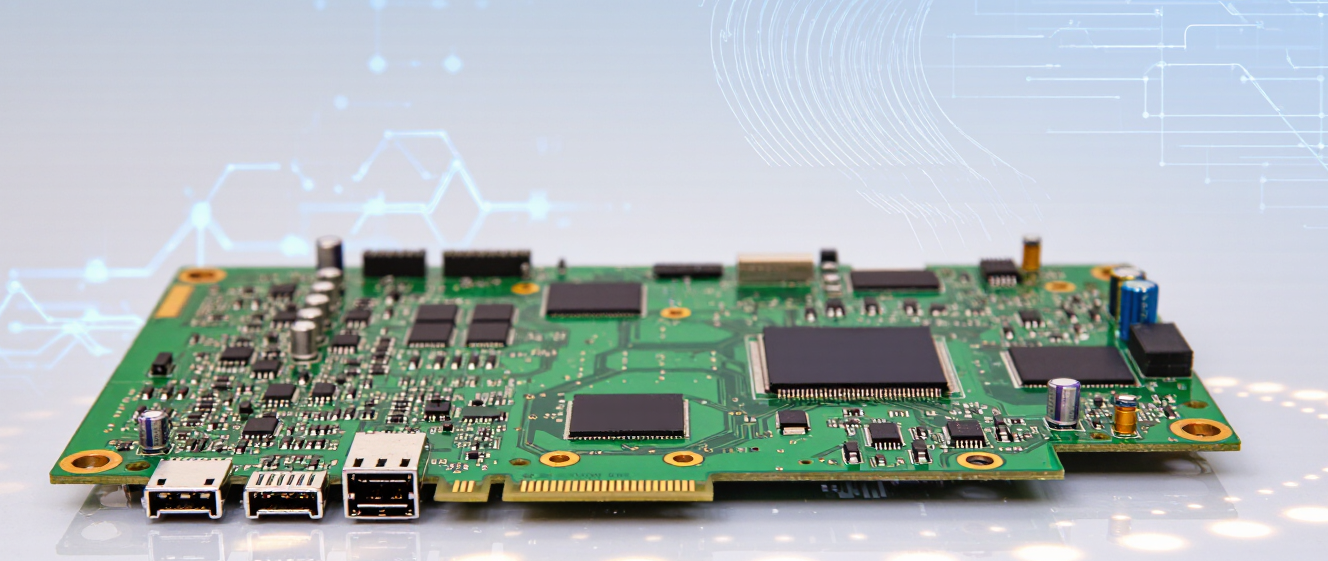
What’s Inside Your Smartwatch? The Board Breakdown No One Talks About
So, What Actually Lives Inside That Watch?
Honestly, I've never really dug into what makes my smartwatch tick until I dropped it last year. When I took it apart just out of curiosity, I found myself staring at this tiny smartwatch board that was doing way more work than I gave it credit for.
Your phone has a big motherboard. You know, the kind you see on teardown videos. But your watch? It's got its own whole universe crammed into something smaller than a fingernail. And let me tell you, that board is where all the magic happens.
Why Your Watch's Brain Is Different
At first, I wasn't sure why they'd make it so compact. Then I realized—you're trying to fit GPS, heart rate sensors, Bluetooth, maybe cellular, AND a battery into the same space. The smartwatch board isn't just small; it's engineered like nothing else.
Think about it. Your laptop can run hot and bulky. Your phone gets warm during heavy gaming. But this thing? It needs to be cool enough to wear against your skin all day long while tracking your every move.
The Components No One Really Sees
Here's what caught me off guard—the chip density. Most modern devices are modular, with separate components for different functions. Your watch board? Almost everything is integrated directly into the silicon. There's power management, processors, radios—sometimes even biometric sensors sitting right there on the main PCB.
| Component | Function | Placement |
|---|---|---|
| Application Processor | Runs the OS & apps | Center board |
| Power Management IC | Battery regulation | Near battery connector |
| Radio Module | Bluetooth/WiFi/GPS | Edge placement |
I remember being genuinely impressed when I saw how tightly packed those components were. It's not just tech—it's miniaturization art, basically. And this smartwatch board design means better efficiency, less heat, and yeah... longer battery life.
Real Talk: Why This Matters to You
Look, I'm not gonna pretend to understand every layer of PCB routing or something. But understanding what's under the hood helps when you're making decisions. Want to replace your battery? Know that it's soldered near the board. Thinking about repairability? Those chips won't come loose easily.
It also explains why some watches just don't want to live forever. You can't upgrade the internals like you would a PC. The board IS the device, in many ways. And that changes how we think about our gear.
What Happens When Things Go Wrong
When my watch stopped charging, the technician showed me where the board connects. A single micro-solder point, and boom—it's either fixed or done. That's the reality of these miniature circuits. They're brilliant, but they're also fragile in their own way.
Maybe we need to think differently about electronics repair. Some companies offer board-level replacement instead of full unit swaps. Not everywhere does it yet, but it's happening. Slowly, but it's happening.
Next time you glance at your wrist and tap through notifications, give yourself a quick nod. There's a whole world running there—tiny chips, clever engineering, and a smartwatch board doing things most people never even think about. And honestly? That feels pretty cool.
Ever Wonder What's Really Going On Inside?
We obsess over battery life, screen quality, and water resistance. But let's be real—nobody talks about the smartwatch board hiding beneath all that sleek metal. Honestly, I didn't care until my watch suddenly stopped pairing with my phone.
Turns out, it wasn't the app or Bluetooth settings. It was a tiny chip acting up. And guess what? The spec sheet didn't even mention it existed. Weird, right?
The Brains Under the Hood
Your smartwatch runs on a custom processor, but manufacturers love burying that info. I asked a repair tech once how much space the chip actually takes up. They laughed: "Less than your thumbprint."
This little guy handles heart rate tracking, GPS, and whether your watch can convince you to take a walk. Yet you'll never see it highlighted like iPhone's A-series chips. Makes you wonder why, honestly.
Health Sensors You Don't See
That optical sensor under the black glass? Another hidden chip. It pulses light through your skin to measure oxygen levels. Fancy stuff! But again, zero specs detail the hardware doing the work. Just vague terms like "advanced biosensors."
Memory Magic
You notice apps taking forever to open? Often a RAM issue nobody addresses. My old watch struggled with Spotify syncing because its memory board couldn't handle the load. Manufacturers don't advertise those limitations—they'd prefer you blame yourself.
Storage matters too. Ever delete photos because there's no space left? That flash chip deciding when to say "enough" is silently managing your digital hoarding. Pretty sneaky.
Why You Should Care Anyway
Knowing these secrets helps when troubleshooting. Battery draining fast? Could be the power management chip acting lazy. Syncing fails? Might be the wireless module giving up. Understanding the board gives you control over your device life.
Next time someone brags about your watch's features, ask about the board behind it. They won't know what you're talking about—and that's okay. Sometimes the coolest stuff isn't meant for marketing slides.
What’s Actually Under the Hood?
Ever taken your smartwatch apart, just wondering what’s really powering it? I’ve been guilty of staring at the screen while brushing teeth, thinking about the tiny silicon brain working overtime. Turns out, the smartwatch board is where the magic—and compromises—happen.
Budget models often strip down core components. Like when you grab a $100 watch versus a $500 one, suddenly you notice laggy apps and sleep tracking that misses half your REM cycles.
Processor Power: The Silent Hero
High-end watches ship with newer chips—they’re faster, more efficient, and handle multiple tasks without breaking a sweat. Cheaper boards? They’ll manage step counts fine but choke on complex workouts. I once watched a budget watch freeze during a HIIT session while my friend’s premium model kept syncing heart rate data smoothly.
Memory & Storage: Why It Matters
More RAM means smoother transitions between apps and quicker notifications. Budget boards skimp here, which explains why some watches feel sluggish after six months. Premium versions cache your music and track daily stats without slowing down—even years later.
Sensor Accuracy Isn’t Just Marketing
Think blood oxygen readings are consistent across all models? Nah. Expensive boards pair better sensors with advanced algorithms. You’ll see gaps in budget models—like missing steps during gardening or spotty GPS trails. It’s wild how much calibration costs shape real-world performance.
Battery Life Truths
Your smartwatch board’s efficiency directly impacts battery life. A power-hungry chip drains cells faster. I switched from a flagship to a mid-range watch and suddenly needed a charger every two nights. Seems obvious, but few companies explain this upfront.
When Does “Premium” Pay Off?
If you’re a serious athlete or need accurate health metrics, investing in a solid board makes sense. For casual users counting paces and checking emails? A budget option works—but know its limits. My buddy’s $200 watch stopped updating firmware last year because his board couldn’t support new features.
At the end of the day, the smartwatch board is the unsung hero behind everything else. Whether you’re sprinting through races or sipping coffee on weekends, understanding these differences helps you pick wisely.
Next time you glance at your wristband, remember: it’s not just tech—it’s engineering choices hiding in plain sight. And maybe, just maybe, that’s why some watches keep up with life better than others.