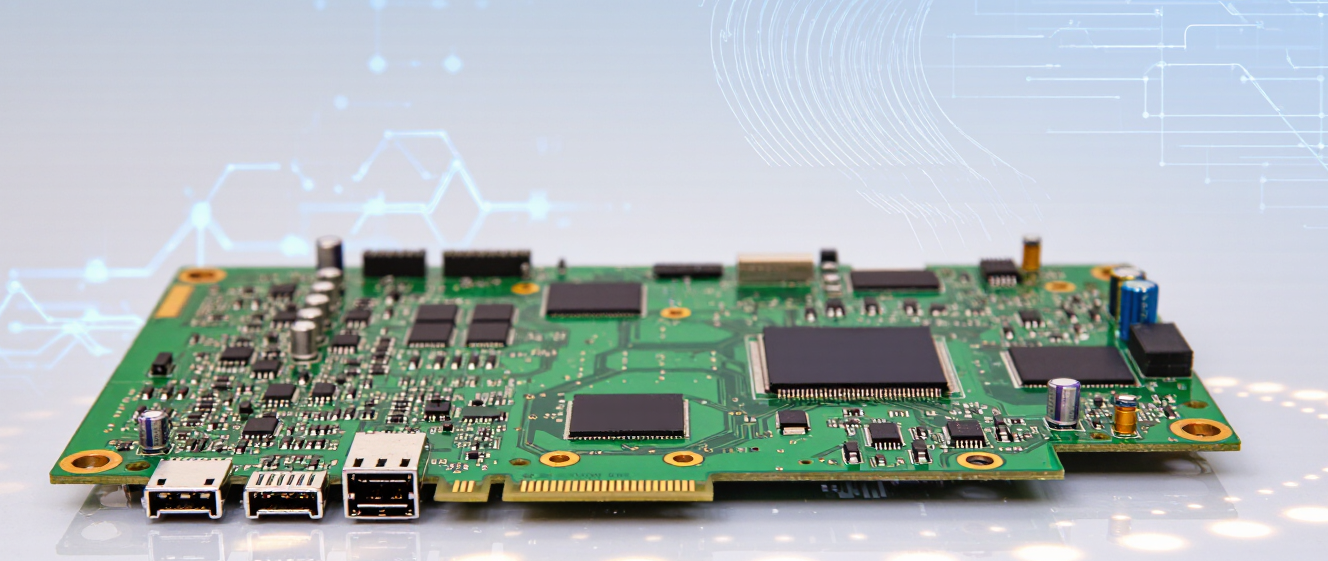
Why Your Cell Signal Control Board Might Be the Culprit When Connections Drop
When Wi-Fi Drops Mid-Call, Who Do You Blame?
Ever had that moment where your video call freezes right when someone’s asking for a decision? I’ve been there more times than I’d admit. Frustrating, right? We toss around terms like “spotty coverage” or “network congestion,” but what if the real issue is tucked away in your device’s hardware?
Meet the Unsung Hero: Cell Signal Control Board
Here’s the thing: your phone or router isn’t magic—it relies on a tiny chip called the cell signal control board. This little circuit manages how your device connects to towers. If it’s malfunctioning, no amount of carrier upgrades will fix intermittent dead zones.
Symptoms You Can’t Ignore
-
Connections fail repeatedly in the same spot
-
Overheating during active use
-
Signal bars fluctuate wildly without reason
I remember fixing my cousin’s tablet once—turns out the cell signal control board was loose from a minor drop. No carrier tweak could’ve helped; it needed a quick reseat!
Before You Swap Your Device
Don’t panic yet! Some fixes are DIY-friendly. Try toggling airplane mode, updating firmware, or resetting network settings. If problems persist despite these steps, the board might be physically damaged.
Time for Professional Help
If you’re comfortable with gadgets, inspect connections yourself. Otherwise, visit a repair shop—they’ll test the cell signal control board with specialized tools. Sometimes, it’s just corrosion or a cracked solder joint.
Bottom line: Blaming carriers won’t solve hardware issues. Next time your connection glitches, consider giving that tiny board the attention it deserves. Knowledge = better tech decisions!
Have You Ever Wondered Why Your Connection Just Drops?
You're sitting there, mid-conversation with someone important, and suddenly—nothing. The call cuts out. Messages won't send. And you're probably cursing the service provider at that point.
But here's something nobody really talks about: sometimes the problem isn't actually the network itself. Sometimes, it's right here—at home—with what's called a cell signal control board.
What Exactly Is This Thing?
At first, I wasn't sure either. It sounded pretty technical. Essentially, it's the hardware inside your device that manages how your phone connects to cell towers. Think of it as the conductor of an orchestra—if one musician plays off-beat, the whole performance sounds messy.
Your cell signal control board handles everything from switching between networks to managing power consumption during weak signal areas. Sounds complicated? Because it is.
Why Providers Don't Talk About This
Here's where it gets interesting—and a little frustrating for us consumers. When you complain about dropped calls, providers immediately assume it's their network. They run diagnostics on their end and tell you there's no issue.
It's not necessarily lying, just... not mentioning the whole picture. If the actual problem is your device's internal signal management, their engineers can't help unless you bring your device in for inspection. And let's be honest—most people don't want to wait in line at a store again.
How Do You Know It's Actually the Problem?
I had to figure this out the hard way. Here are signs that made me suspicious:
Dropped calls happen consistently in the same location—even after moving a few feet
Your phone heats up more than usual when trying to connect
Network settings keep resetting themselves randomly
Signal bars show strong coverage but speeds remain painfully slow
None of these are perfect indicators on their own, but together? They raised red flags for me big time.
What Can You Actually Do About It?
If you're thinking "Great, so now I know—it's my phone?" before you panic too much, understand this: not every case requires hardware replacement.
Sometimes it's as simple as resetting network settings, updating firmware, or checking for physical damage. In some situations though, the cell signal control board genuinely needs professional attention or replacement. Depends on the situation.
Note: Before spending money on repairs, contact your carrier first. Sometimes they offer replacements or discounts even if the issue technically falls outside warranty scope.
At the end of the day, understanding where the problem lies helps you solve it faster. Next time your connection drops mysteriously, consider that maybe the signal isn't coming from somewhere far away—but already inside your device.
Is It You, Or Is It The Phone?
Ever find yourself staring at a "Searching for Service" icon while the person on the other end gets angry? I totally get it. We all want that full bar.
Usually, we blame the tower, the weather, or just bad luck. But recently, I started noticing something odd. My signal wasn't just weak; it was glitching out in specific spots indoors. Turns out, I might be dealing with a tiny hardware hero—or villain—called the cell signal control board.
What Exactly Is This Board?
Think of the cell signal control board as the traffic cop for your phone's radio waves. It manages how much power goes to the antenna and processes incoming data packets.
If the software is messy, we can update it. But if this physical component gets fried or loose, no software patch is going to fix it. Sometimes, it’s just wear and tear from daily jostling.
DIY Fixes That Actually Work
Before I considered taking it to a shop, I tried a few things. Restarting didn't work. Flipping airplane mode off-and-on did nothing. That usually points to hardware.
The only real DIY move is ensuring the antenna connectors are snug inside the casing, though you'd need a screwdriver kit for that. If you aren't comfortable opening the device, skip this part!
-
Clean SIM card slot gently
-
Factory reset network settings only
-
Avoid water damage
When Professional Help Is Actually Necessary
Here is the deal: If you see the cell signal control board as the problem, you're already beyond simple fixes. Trying to solder components yourself on modern microchips is a recipe for disaster.
You need a pro if:
-
Smell burnt electronics inside
-
Water damage indicators are lit
-
Phone overheats specifically during calls
It's better to pay a technician once than to buy a new phone because you accidentally cracked a motherboard trying to be clever.
So next time the connection drops, take a breath. It might be the tower, or maybe it's the small board inside doing its job poorly. Knowing the difference saves you stress and cash.