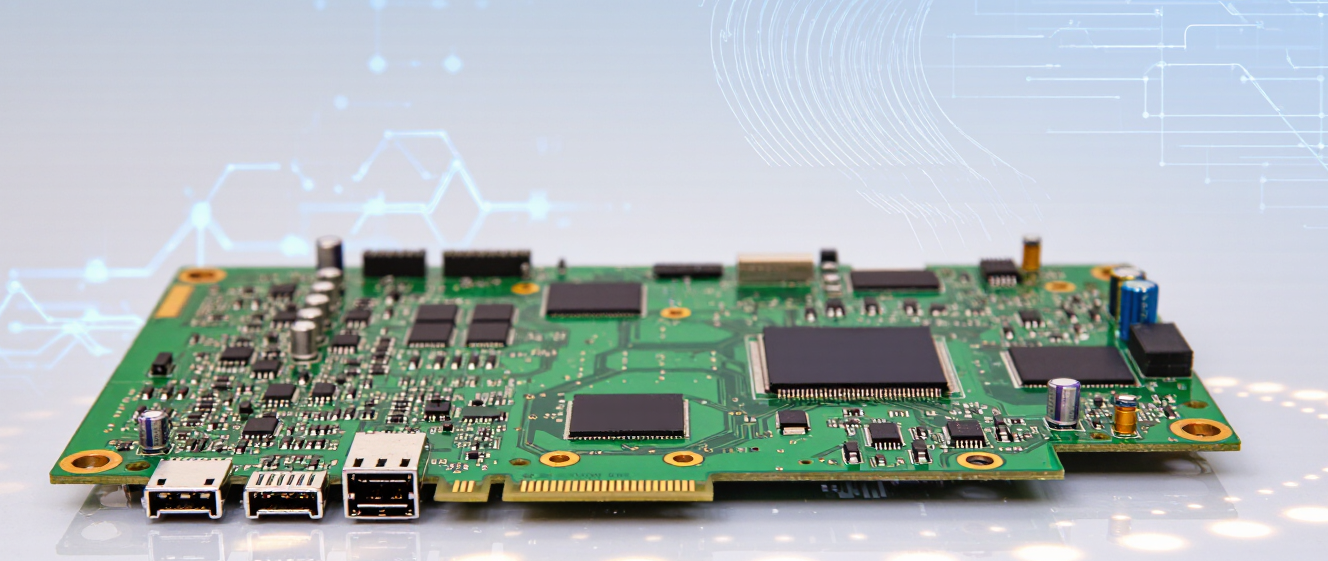
Your Carrier AC Won't Start? Here's Why the Control Board Might Be Guilty
When Everything Else Checks Out
So your Carrier AC won't start, and you've already checked the obvious stuff. Thermostat is working, power is connected, breakers aren't tripped. You're staring at that outdoor unit wondering what could possibly be wrong now.
Here's the thing nobody really tells you upfront: sometimes it's not the capacitor, not the compressor, and definitely not you doing something wrong. It could be as simple as a carrier ac control board acting up behind the scenes.
I know, it sounds technical. But trust me, we've all been there. My neighbor called me last summer when his AC gave him nothing but silence during a heatwave. We thought it was the compressor until we realized...
The Weird Symptoms Nobody Talks About
Control board problems don't always announce themselves with dramatic failure. Sometimes they just... quietly refuse to cooperate. I remember troubleshooting a unit where the thermostat sent every signal perfectly, but the system wouldn't fire up because the little circuit board couldn't process them properly.
Look for these subtle clues:
-
Lights flickering erratically
-
Intermittent cooling cycles
-
Unusual clicking from indoor unit
-
Error codes that make no sense
These aren't always catastrophic failures. Often they're early warnings that someone should check those tiny electronics inside.
How to Actually Diagnose This Thing
Okay, before we panic and call every repair shop in town, let's talk real diagnostics. Grab your multimeter if you're comfortable with that kind of thing, or just keep reading if you're new to this.
| Check Power First | Ensure 24VAC reaches the board |
| Look at LED Indicators | Patterns mean different problems |
| Test Communication Lines | Thermostat signals matter |
| Clean Dust Accumulation | Heat kills boards slowly |
At first, I wasn't sure how much help this would be. Then I started tracking patterns across multiple units, and honestly, some symptoms repeat enough that you can get pretty good at predicting what's happening. Not perfect, but better than guessing.
What Happens If You Ignore These Signs
This part isn't meant to scare you. But here's reality: ignoring a problematic carrier ac control board means eventually it stops working completely. And when that happens, you're looking at bigger repairs down the road.
Think of it like checking your car's oil. Yeah, maybe it runs fine without checking once. Maybe twice. But keep skipping it long enough, and suddenly you're dealing with engine work instead of a quick fix.
Better to address small electronic glitches while they're still small. The costs add up fast when you're talking about complete replacements versus occasional maintenance.
A Trick Most DIY Guides Skip Over
Listen, I'm not gonna lie and say this makes diagnosing easy. But there's one technique I learned from a longtime HVAC tech that really changed my approach. Watch the response time between commands.
If your thermostat calls for cooling and nothing happens immediately, wait longer. Some boards have internal delays or protective features that kick in. If after 30 seconds you still hear no click from the contactors, that's a real clue you're dealing with electronics rather than simple wiring.
Your Next Move After All This
Alright, you've done your homework. Now what? If you've identified potential control board issues, here's my honest advice based on years of watching people struggle with this exact problem.
Don't rush into replacement decisions. Contact your local Carrier service center with what you've found. Sometimes they can guide you through resets or updates that solve things without spending hundreds on new parts. Other times, they'll confirm it needs professional attention — which is okay too.
Bottom line? Keep notes. Track symptoms. Don't feel bad asking questions. Everyone deals with AC trouble at some point. The goal is getting yours running smoothly again, whether you do it yourself or with a pro's help.