Computer Mainboard & Computer System Motherboard Manufacturing for OEM & Industrial Applications
The Role of Computer Mainboard in Modern Systems
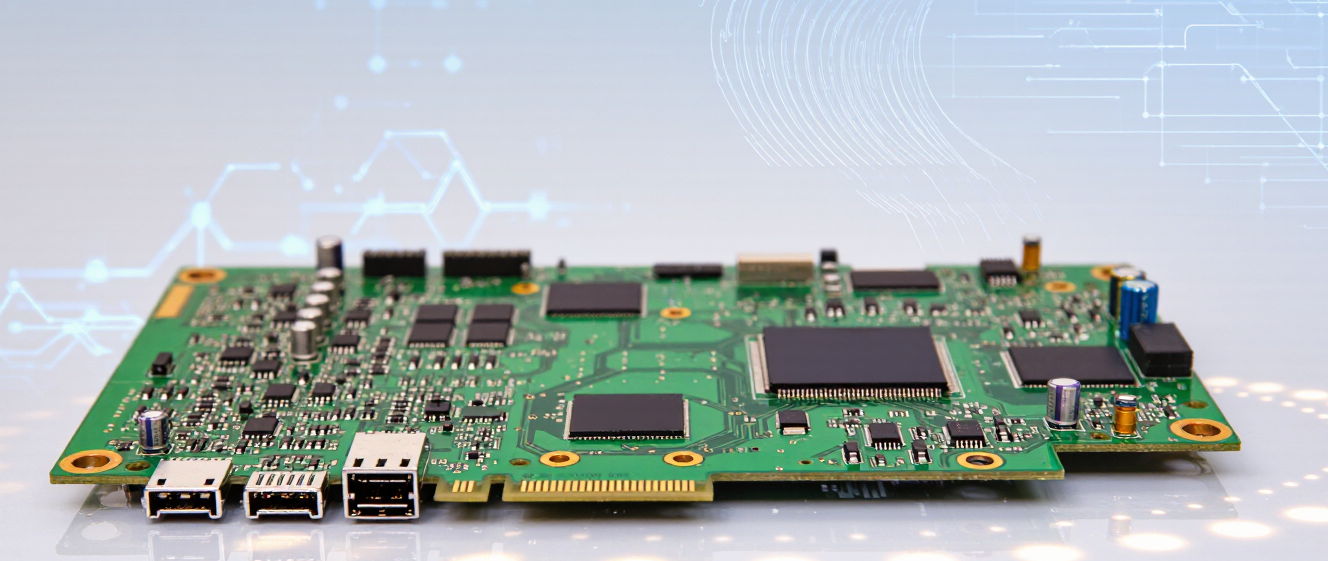
A computer mainboard serves as the central platform that integrates CPU, memory, storage interfaces, expansion slots & power regulation modules. For B2B clients, selecting a reliable computer system motherboard directly affects product stability, lifecycle & scalability. Manufacturers design each computer mobo to support consistent signal transmission, thermal efficiency & long-term operational reliability across commercial & industrial environments.
OEM Computer Mobo Design Requirements
OEM customers require custom layouts, chipset compatibility & flexible expansion capability. A professional manufacturer develops computer mainboards with optimized PCB stack-up structures, stable VRM circuits & controlled impedance routing. These engineering decisions ensure performance under continuous load, which is critical for servers, industrial controllers, embedded systems & commercial PCs.
Key Manufacturing Capabilities for B2B Buyers
When sourcing a computer system motherboard supplier, buyers evaluate:
-
Multi-layer PCB fabrication for complex signal routing
-
High Tg materials to support thermal stability
-
SMT automation for consistent soldering quality
-
BIOS customization & firmware integration
-
Strict functional testing before shipment
These capabilities determine product consistency & reduce failure rates in field deployment.
Technical Comparison of Computer Mainboard Configurations
| Feature | Commercial Mainboard | Industrial System Motherboard | B2B Value |
|---|---|---|---|
| PCB Layers | 4–6 layers | 6–12 layers | Supports higher stability & signal control |
| Thermal Design | Standard airflow | Reinforced cooling layout | Extends operational lifespan |
| Power Regulation | Basic VRM | Enhanced multi-phase VRM | Improves CPU stability |
| Expansion Slots | Consumer-grade PCIe | Extended I/O & legacy ports | Supports diverse integration |
| Lifecycle | Shorter refresh cycle | Long-term availability | Ensures project continuity |
This comparison helps OEM buyers align specifications with product positioning.
Computer System Motherboard for Industrial & Embedded Applications
Industrial computer system motherboards operate in demanding environments such as automation, medical systems & energy control units. Manufacturers reinforce PCB materials, optimize grounding planes & implement EMI protection to ensure stable operation. Unlike consumer-grade boards, industrial computer mobos prioritize durability, extended temperature tolerance & long-term supply consistency.
Scalable Production & Quality Control
A professional manufacturer establishes standardized SMT lines, automated optical inspection & electrical testing procedures. Each computer mainboard undergoes functional verification before shipment. This structured workflow ensures repeatability across large-volume orders, which is essential for distributors, system integrators & global OEM brands.
Why B2B Buyers Choose Experienced Motherboard Manufacturers
Experienced suppliers provide engineering consultation, rapid prototyping & scalable mass production. They support BIOS modification, I/O customization & chipset adaptation according to project requirements. This partnership model allows B2B clients to shorten development cycles while maintaining technical compliance & performance consistency.
FAQ: Computer Mainboard & System Motherboard for B2B
Q1: What is the difference between a computer mainboard & computer mobo?
Both terms refer to the same component; “mobo” is an industry abbreviation for motherboard.
Q2: What should OEM buyers prioritize when sourcing?
Buyers focus on PCB layer count, thermal management, VRM quality & long-term supply stability.
Q3: Are industrial system motherboards different from consumer boards?
Yes. Industrial boards emphasize durability, EMI protection & extended lifecycle support.
Q4: Can manufacturers customize BIOS & hardware interfaces?
Professional suppliers provide firmware customization & hardware modification services for OEM clients.
Q5: Why is multi-layer PCB design important?
More layers improve signal integrity, reduce interference & enhance performance stability in high-speed systems.


.jpg)